Heel lifts & orthotic support

Heel Raises & Wedges

Orthotic products designed to increase heel height and alter forces acting on the foot, ankle and lower limb.

Explore TalarMade fixed and adjustable heel raises, supported heel orthoses and wedge materials for rehabilitation, leg-length management and orthotic modification.

What this category covers

  • Fixed heel raises
  • Adjustable heel raises
  • Leg-length management
  • Achilles tendon rehabilitation
  • Reduced ankle movement
  • Supported heel orthoses
  • Wedges for orthotic modification

Products in this category

Heel raises and wedges for rehabilitation, biomechanical management and orthotic modification.

Filter

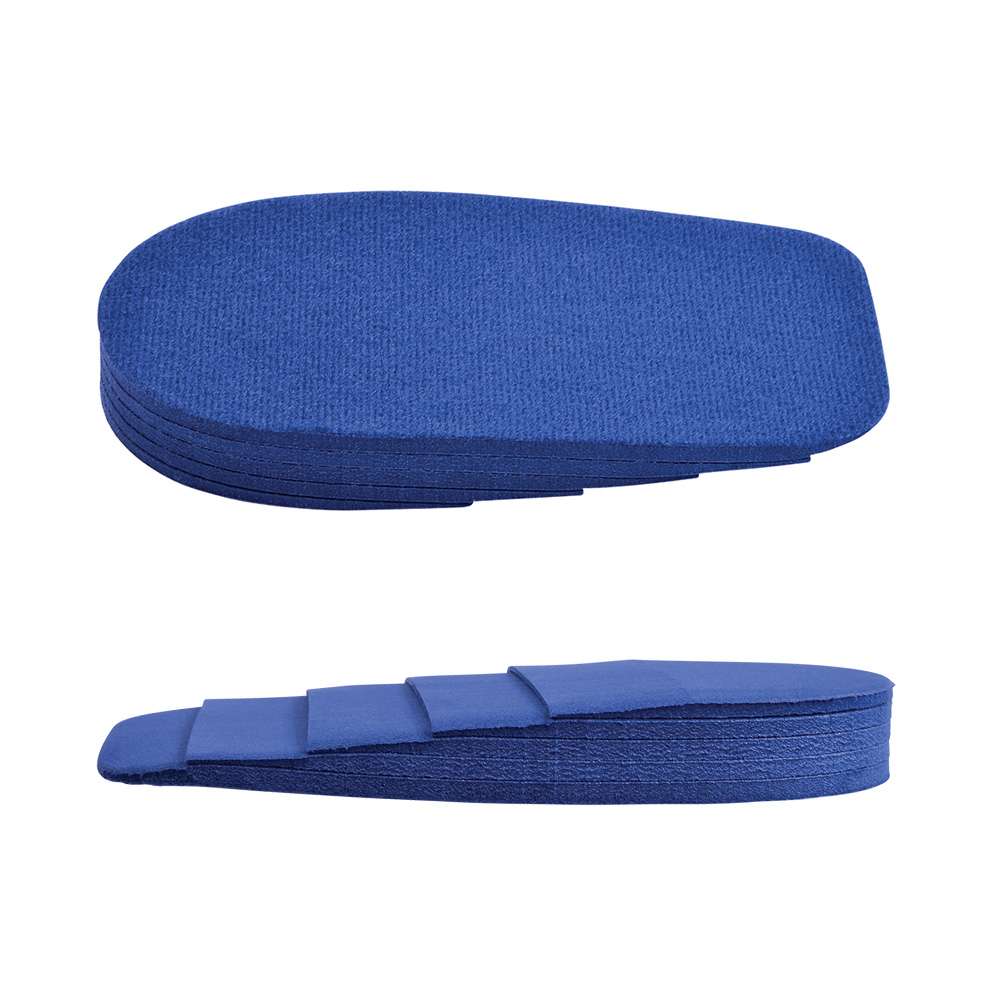
Adjustaheel EVA

Designed to be adjustable in raising the heel inside a shoe

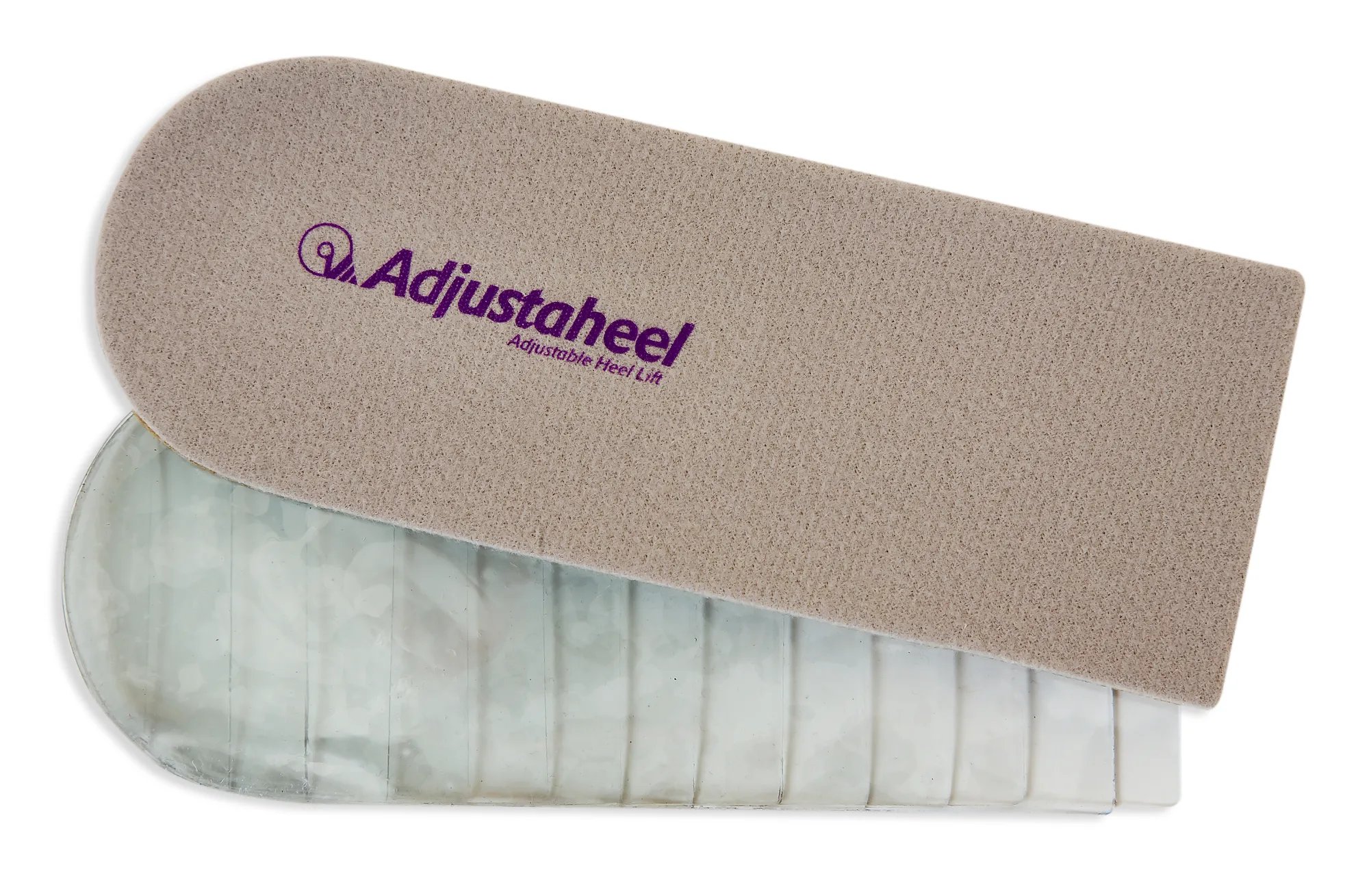
Adjustaheel Vinyl

Designed to be adjustable in raising the heel inside a shoe

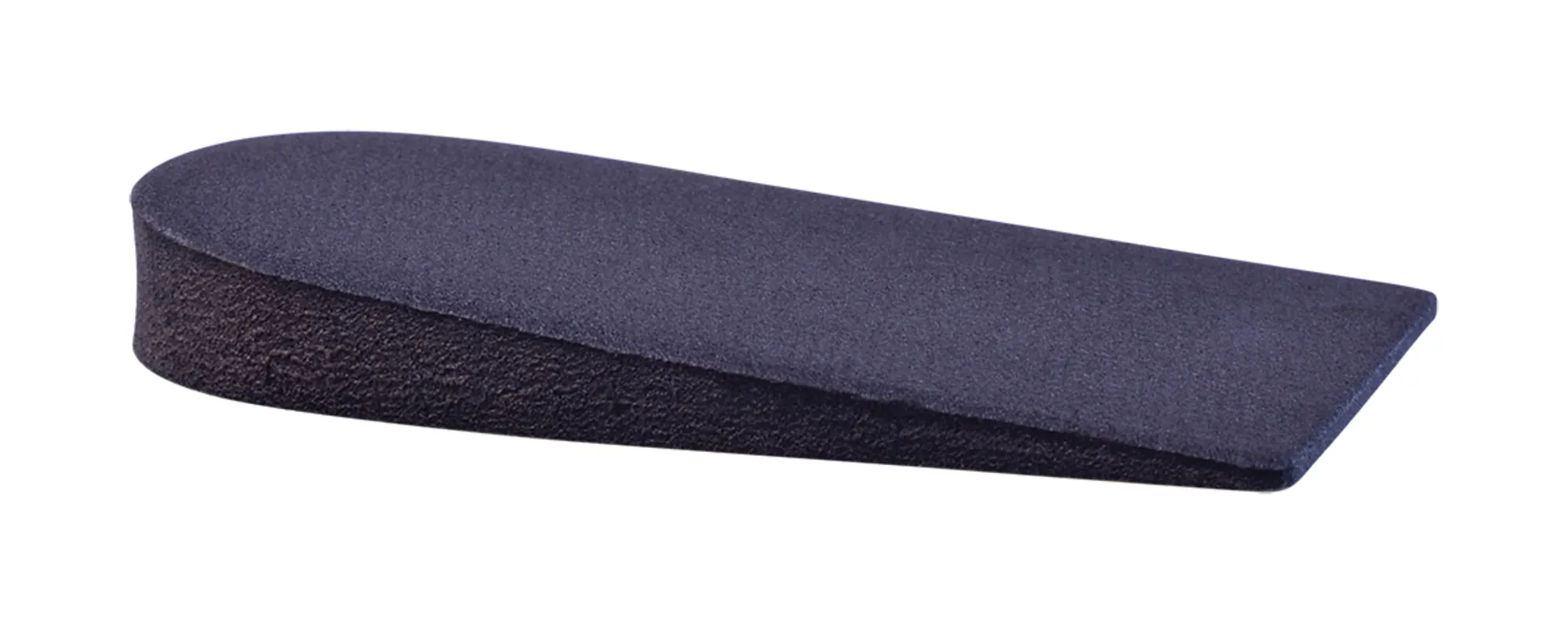
Heel Elevators

Designed to raise the heel inside a shoe

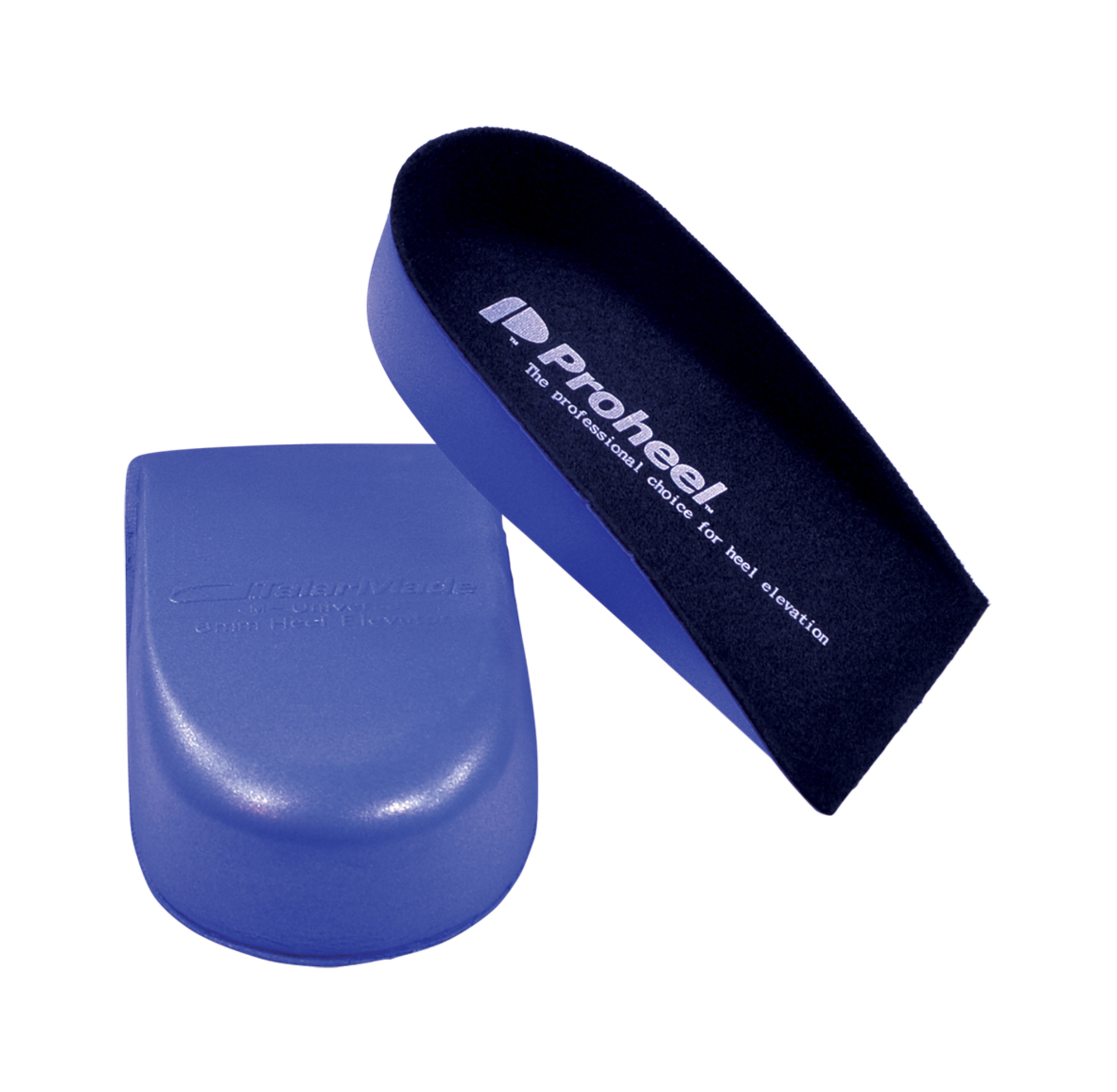
ProHeel

Designed to support leg length discrepancy

Basic Eva Wedge Strip

Designed to fine-tune lower limb orthoses

About Heel Raises & Wedges

Heel raises are worn inside footwear to increase heel height. This changes the position of the foot and ankle and can alter the forces acting on muscles, tendons and joints during standing and walking.

They may be used to compensate for a leg-length difference, reduce loading on the Achilles tendon, support rehabilitation following injury or surgery, or accommodate reduced ankle dorsiflexion. Healthcare professionals may also use heel raises and wedges to adjust the function of insoles, AFOs and other lower-limb orthoses.

The correct product depends on the reason for treatment, the elevation required and the available footwear space. Professional assessment is recommended when the required height has not been established or the heel raise forms part of a rehabilitation programme.


Choosing the Right Heel Raise

When comparing products in this category, consider:

For more detailed sizing, fitting and product guidance, visit the individual product pages.

Frequently asked questions

What are heel raises used for?

Heel raises increase heel height inside footwear. They may be used to manage a leg-length difference, reduce loading on the Achilles tendon, accommodate restricted ankle movement or modify the effect of another orthosis.

A heel raise can compensate for part or all of a measured leg-length difference while it is being worn. The cause and amount of the difference should be assessed before the height is selected.

Raising the heel reduces the amount of ankle dorsiflexion required and may temporarily reduce strain on the Achilles tendon. Heel raises are often gradually reduced during rehabilitation under professional guidance.

This depends on the reason for use. A measured leg-length difference may require a raise on one side, while Achilles tendon management may require raises in both shoes. Follow the advice of your healthcare professional.

A fixed heel raise provides one height. An adjustable product contains removable layers, allowing the height to be increased or gradually reduced during treatment.

EVA wedge strip is material used by healthcare professionals to make or modify raises and wedges. It can change heel height, the angle of an orthosis or the forces it applies.

A heel raise occupies space and lifts the heel within the shoe. Footwear must have enough depth and a secure heel section to prevent slipping or excessive pressure.

Many heel raises are available to buy online. Clinician-modifiable wedges and some specialist products may be intended for professional use. Each product page explains availability.

The correct height depends on the condition and treatment goal. Using too much elevation may cause discomfort or affect balance, so seek professional advice if the required height has not been prescribed.

Seek advice if you have:

  • An unassessed leg-length difference
  • An Achilles tendon injury
  • Recent foot or ankle surgery
  • Persistent pain
  • Diabetes or reduced sensation
  • Poor circulation or an open wound
  • Difficulty walking or balancing

Need help choosing?

Not sure which heel raise is right for you or your patient?