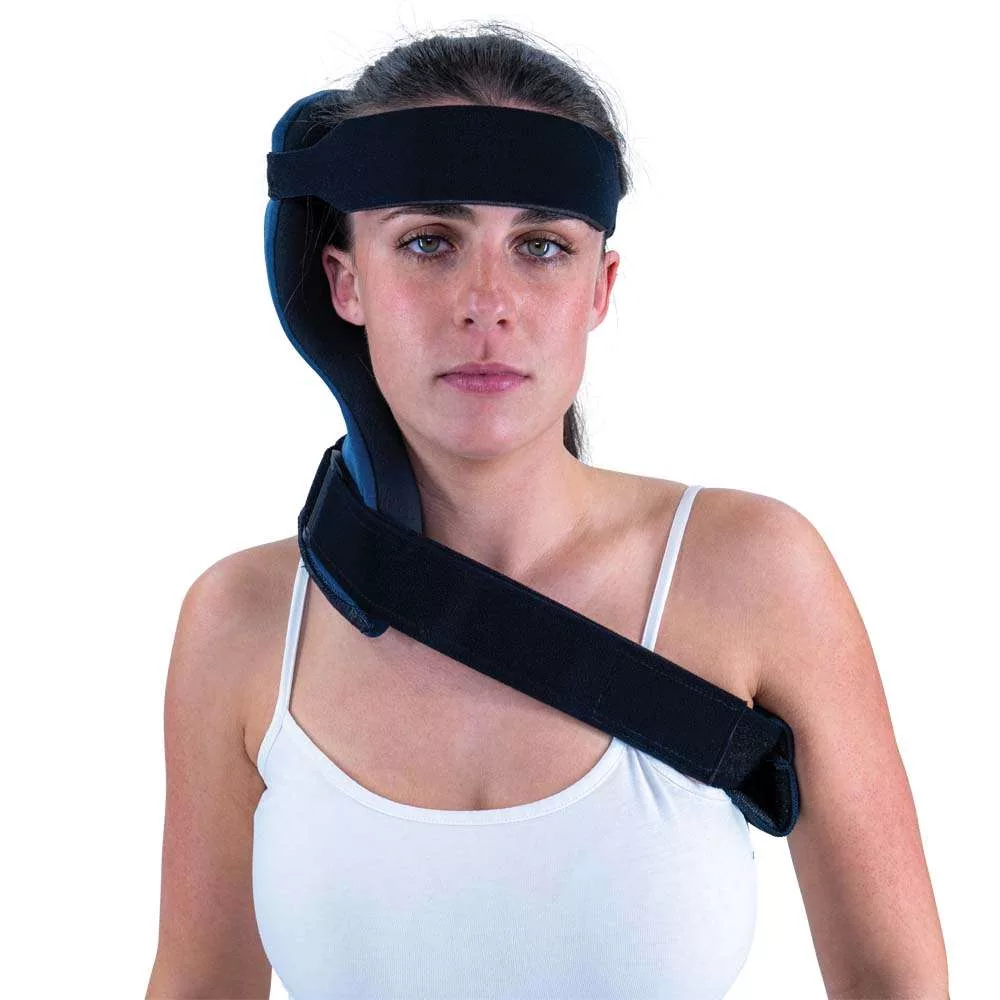
Cervical supports & neck orthoses

Neck Collars & Cervical Braces

Collars and braces designed to support, position or stabilise the neck and cervical spine.

Explore TalarMade neck collars and cervical braces for mild neck conditions, recovery following injury or surgery, and neurological conditions affecting head and neck control.

What this category covers

  • Mild support for neck pain
  • Support following injury or surgery
  • Restriction of cervical movement
  • Support for neuromuscular weakness
  • Management of head drop
  • Support for torticollis
  • Adjustable and heat-mouldable designs

Products in this category

Neck collars and cervical braces offering different levels of support and movement control.

Filter

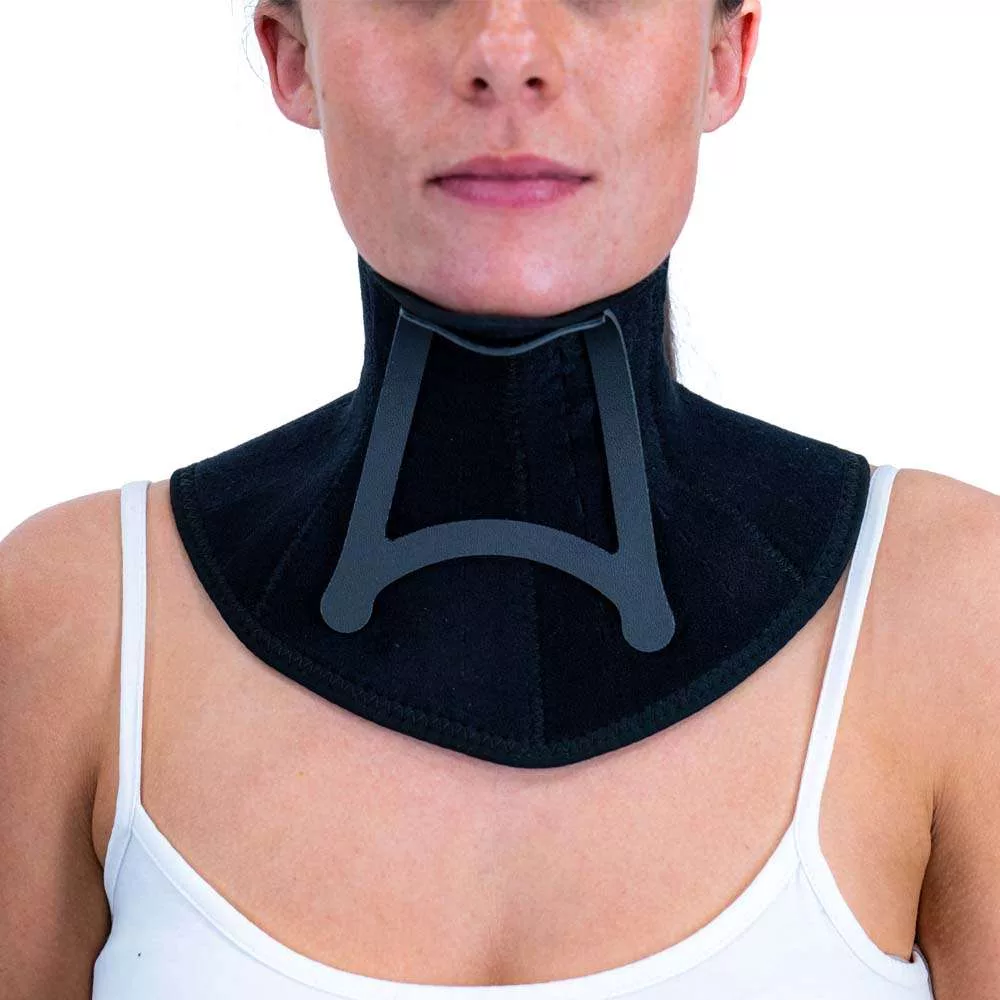
HeadUp Collar

Designed to improve head control

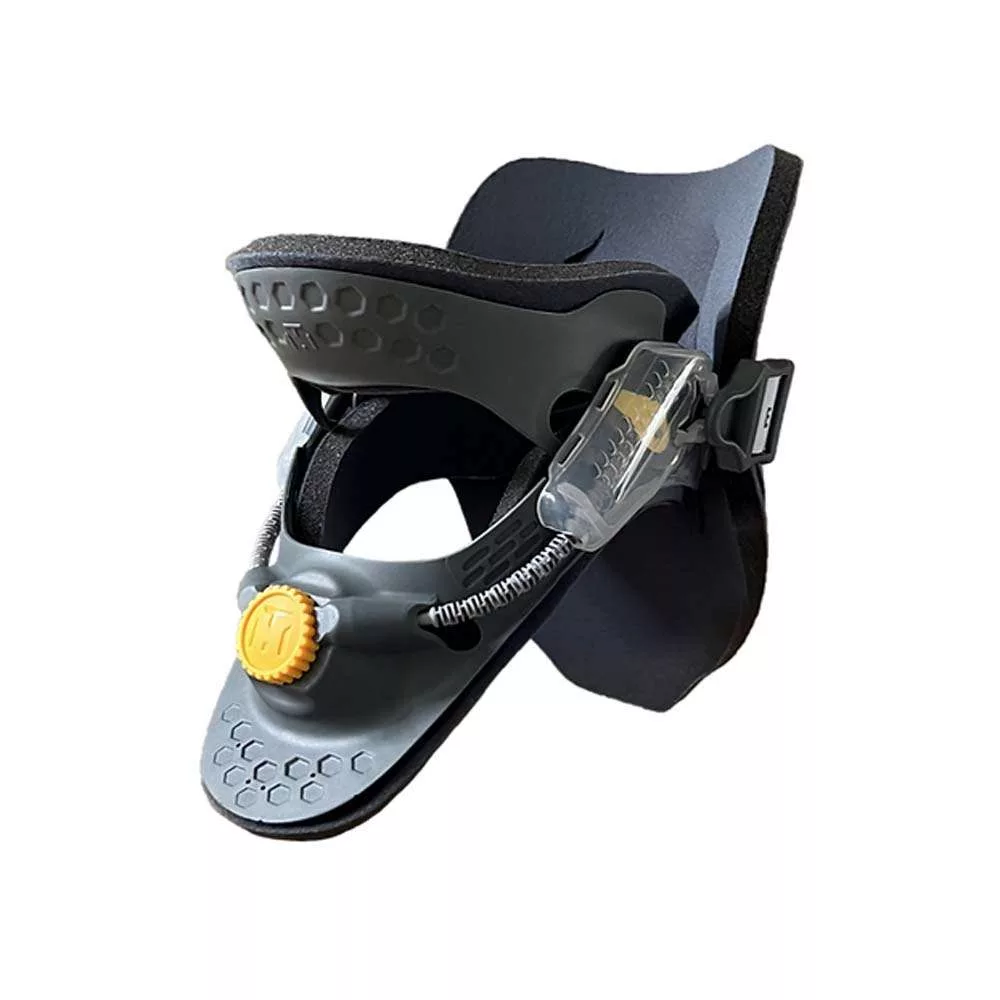
Trend Trauma Collar

Designed to support conservative management of cervical fractures (C1-C7)

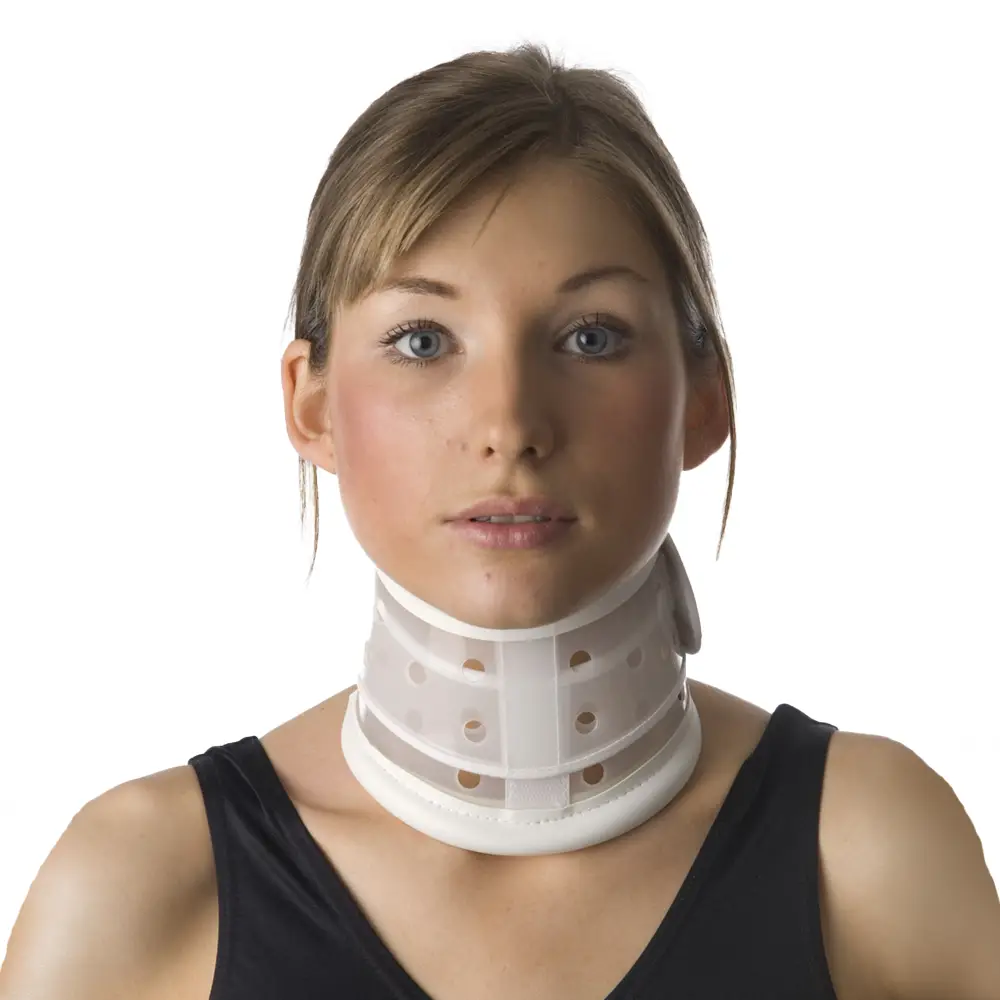
Adjustable Depth Rigid Collar

Moderate support for the Cervical Spine

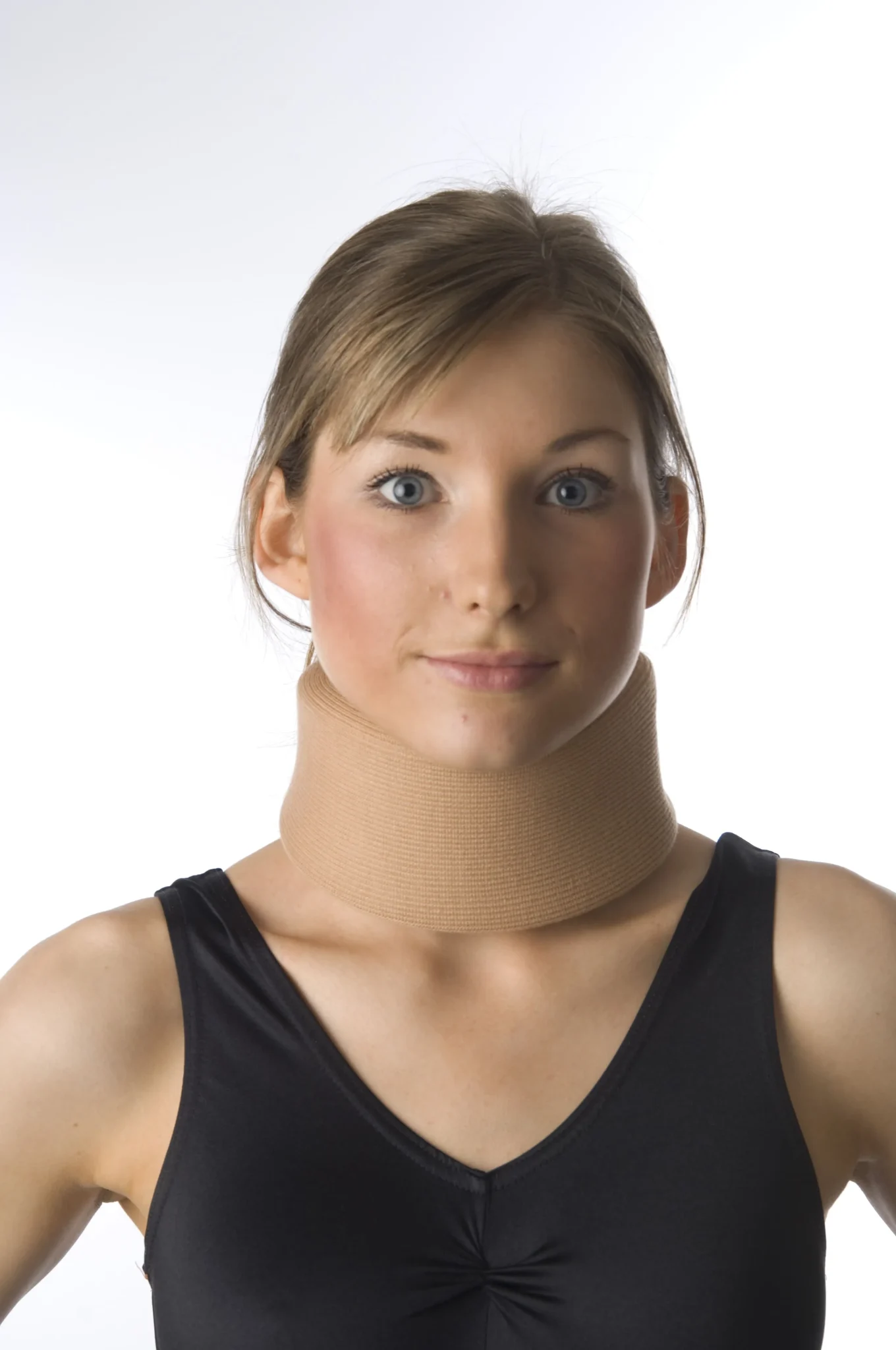
Memory Foam Collar

Designed to support cervical spondylitis

Neurotec Torticollis Collar

Designed to support torticollis

About Neck Collars & Cervical Braces

Neck collars and cervical braces support the head and cervical spine by providing external support, improving head position or restricting movement. Different designs offer varying levels of support, from soft collars to rigid and specialist braces.

They may be used for temporary support following injury or surgery, or for longer-term management of neurological conditions that affect head control, such as neuromuscular weakness, head drop or torticollis.

 The correct product depends on the condition and the amount of support or movement control required. Rigid, trauma and neurological braces should be selected and fitted by an appropriately trained healthcare professional.


Choosing the right Neck Collars & Cervical Braces

When comparing products in this category, consider:

For detailed sizing, fitting and product guidance, visit the individual product pages.

Frequently asked questions

What are neck collars and cervical braces used for?

They may support the head and neck, restrict cervical movement or improve head position. Uses include mild neck conditions, recovery following injury or surgery, and neurological conditions affecting head control.

A soft collar provides gentle support and limited movement restriction. A rigid collar or cervical brace provides greater stability and movement control. The correct design depends on the condition and treatment goal.

  • Memory Foam Collar: mild support for selected neck and muscular conditions
  • Adjustable Depth Rigid Collar: moderate support and controlled cervical movement
  • Trend Trauma Collar: significant stabilisation following trauma or surgery
  • HeadUp Collar: dynamic support for head drop and neuromuscular weakness
  • Neurotec Torticollis Collar: specialist positioning for torticollis and abnormal head posture

A dynamic cervical brace supports the weight of the head while allowing some controlled movement. It may help people with muscle weakness who have difficulty maintaining an upright head position.

Head drop occurs when weakness of the neck muscles makes it difficult to hold the head upright. It may be associated with neurological or neuromuscular conditions and requires professional assessment.

Torticollis is an abnormal head or neck position that may cause the head to turn or tilt to one side. A specialist cervical brace may form part of its clinical management.

No. Some soft collars may be available to purchase directly. Rigid, trauma and specialist neurological braces may require professional assessment, prescription or fitting. Each product page explains availability.

Sizing may require measurements of neck circumference and the distance between the shoulder or chest and the jaw. Follow the individual product guidance or have the brace fitted professionally.

It should provide the intended support without causing excessive pressure, difficulty breathing or swallowing, skin damage, numbness or increased pain. Specialist products require regular fit and skin checks.

Seek professional advice:

  • Following a neck injury or surgery
  • If neck movement must be restricted
  • For persistent or severe neck pain
  • For weakness or altered sensation
    If head control is reduced
  • For suspected torticollis
  • If the product causes pressure or skin damage

Following significant trauma, do not move the neck or fit a collar yourself. Seek urgent medical assistance.

Need help choosing?

Not sure which neck collar or cervical support is right for you or your patient?