
Home › Pressure Care › Pressure Care – Redistribution

Products designed reduce pressure with the vulnerable area by redistributing the pressure across a larger area.
Explore TalarMade pressure-redistribution products designed to reduce concentrated loading on vulnerable tissues and support pressure-ulcer prevention and treatment.
What this category covers
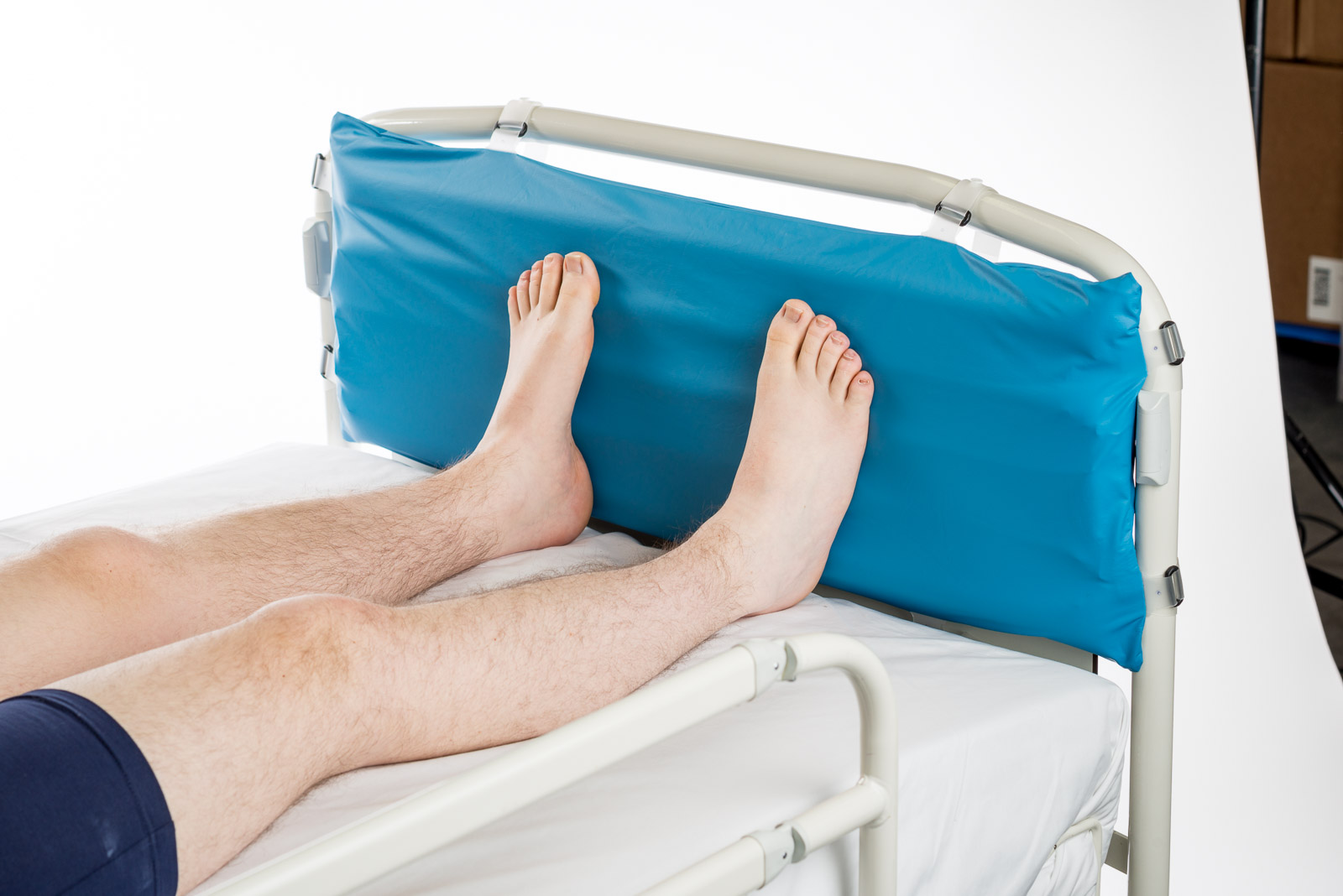
Products designed to redistribute pressure across vulnerable areas of the body.
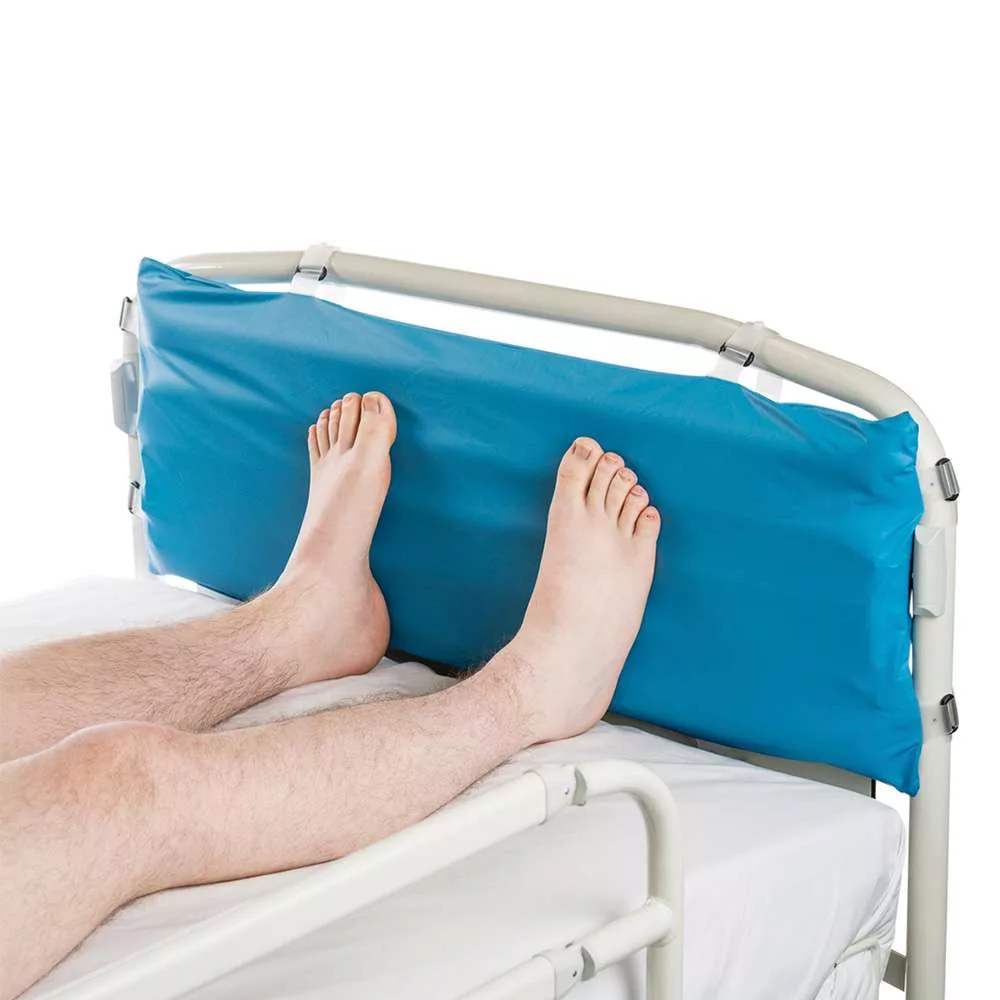
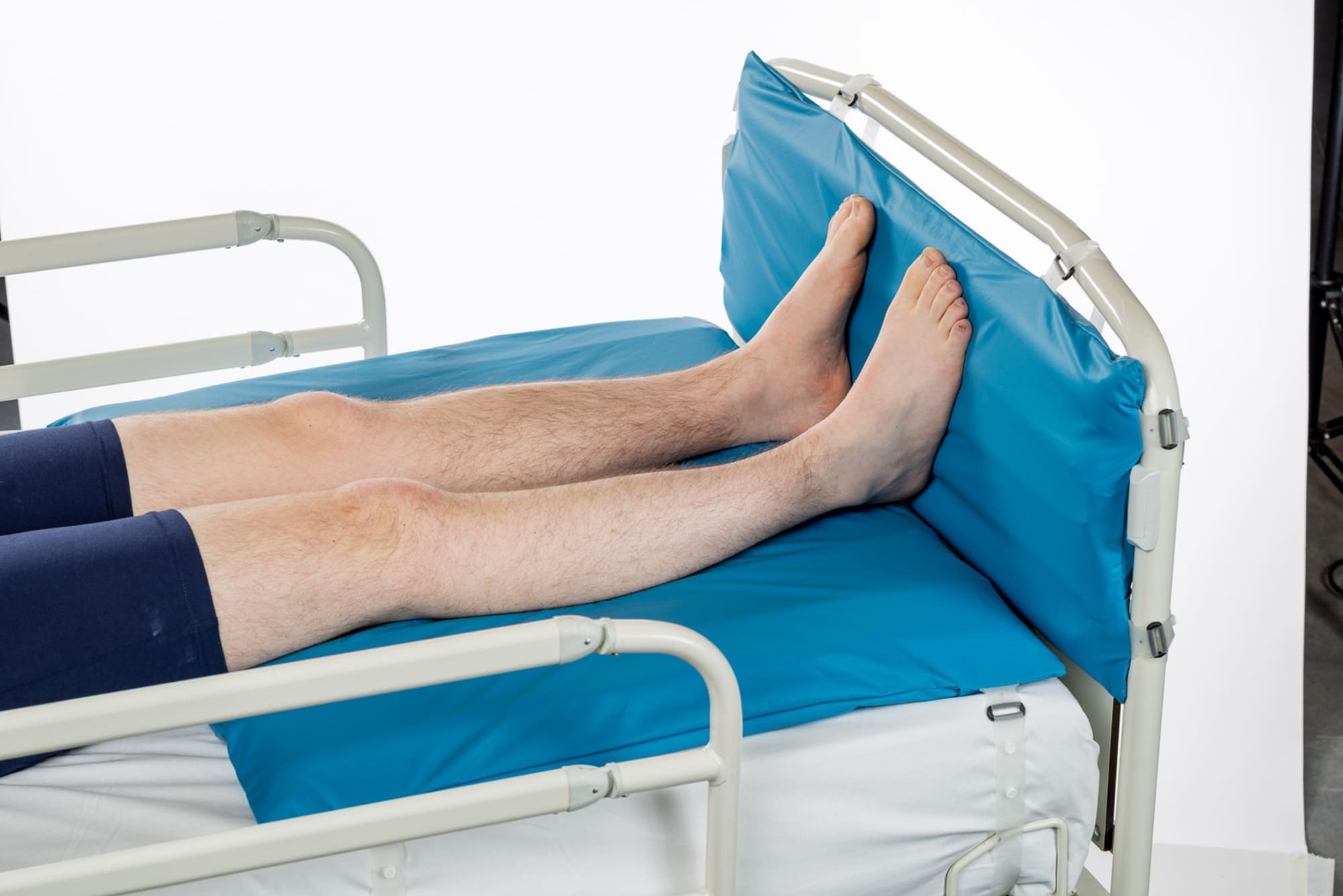
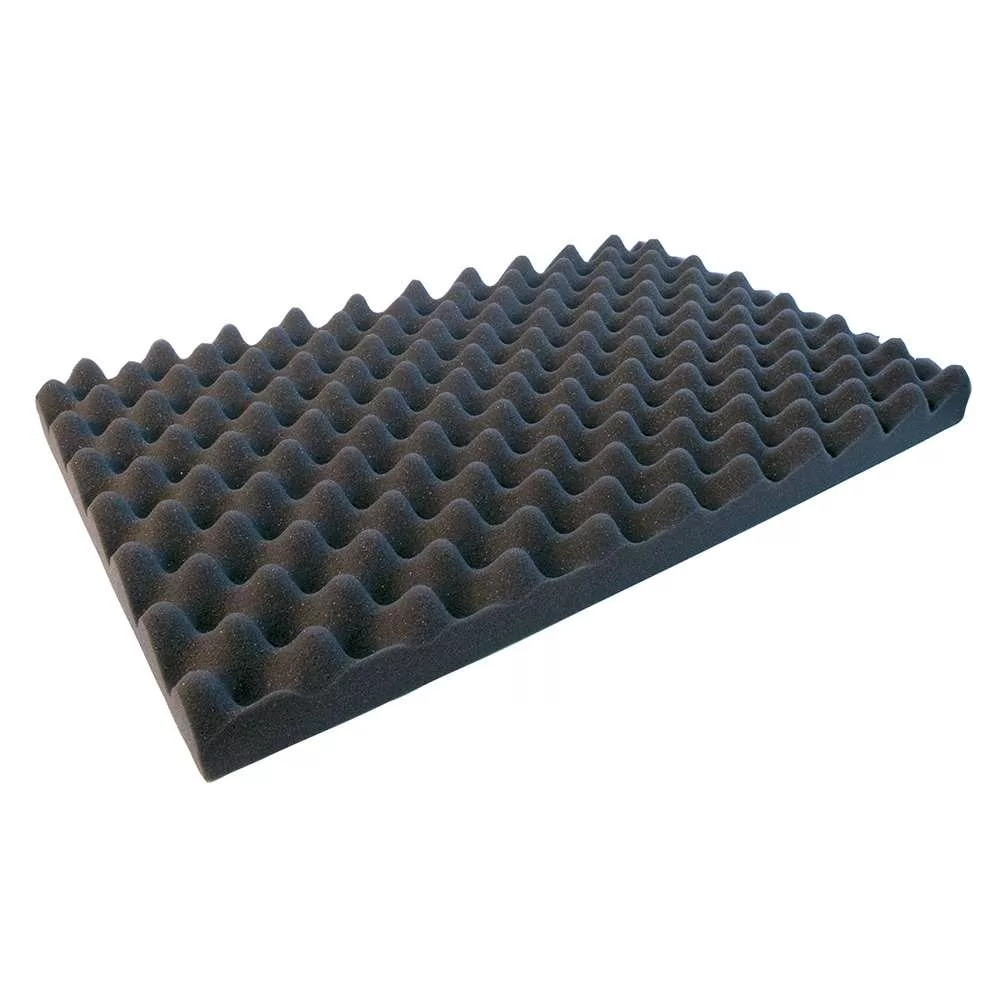

Pressure-redistribution products change how the body is supported so that forces and loads are redistributed across a larger area. This reduces concentrated pressure on vulnerable tissues while maintaining contact with the supporting surface.
These products may help protect the heels, lower legs, feet, body or other bony areas during periods of reduced mobility. They can be used to help prevent pressure ulcers and may also support the management of existing pressure damage.
The correct product depends on the area at risk, the person’s mobility, skin condition and care environment. Pressure-redistribution products should be used as part of an individual care plan that includes regular repositioning and skin inspection.
For detailed sizing, cleaning and product guidance, visit the individual product pages.
A pressure ulcer—also called a pressure sore, bed sore or pressure injury—is damage to the skin and underlying tissues caused by pressure or pressure combined with shear.
Pressure redistribution means reducing concentrated pressure by spreading forces and loads over a larger contact area.
No. The body remains in contact with the product or supporting surface. Pressure is reduced and spread more widely, but it is not completely removed from the target area.
It may be considered for people at increased risk of pressure damage because of:
A healthcare professional should assess the individual’s risk and care needs.
Different products can redistribute pressure around the heels, lower legs, feet, bony prominences or a larger area of the body. Product selection should be based on the area at risk.
They can help reduce the mechanical stresses that contribute to pressure damage. However, no product can remove every risk, and pressure redistribution must form part of a wider prevention plan.
Pressure redistribution may form part of the treatment plan for an existing pressure ulcer. The wound must be assessed and managed by an appropriately qualified healthcare professional.
No. Regular movement or repositioning remains important, even when a pressure-redistribution product is being used.
Skin should be inspected regularly in accordance with the individual care plan. Pay particular attention to bony areas and any tissues in contact with equipment.
Site-specific products provide cushioning beneath a particular bony area or between body parts that touch or rub. They reduce and spread pressure locally rather than supporting the whole body.
A single-patient product is allocated to one person and must not be shared. A multi-patient product may be reused for different patients when cleaned, disinfected and maintained according to the manufacturer’s instructions and local infection-control procedures.
Availability varies. Some products may be purchased online, while others are supplied through healthcare or care organisations. Each product page explains availability.
Seek professional advice if:
Not sure which redistribution product is right for your patient?