Home › Orthotic Devices › Upper Limb › Slings
Slings designed to support, position or restrict movement of the arm and shoulder.
Explore TalarMade arm slings for support following injury or surgery, including adjustable designs and options for forearm elevation.
What this category covers:
Slings designed to support and position the upper limb during recovery.
Slings support the arm, elbow or shoulder following injury or surgery. Depending on their design, they may reduce movement, maintain a prescribed position or improve comfort during the early stages of recovery.
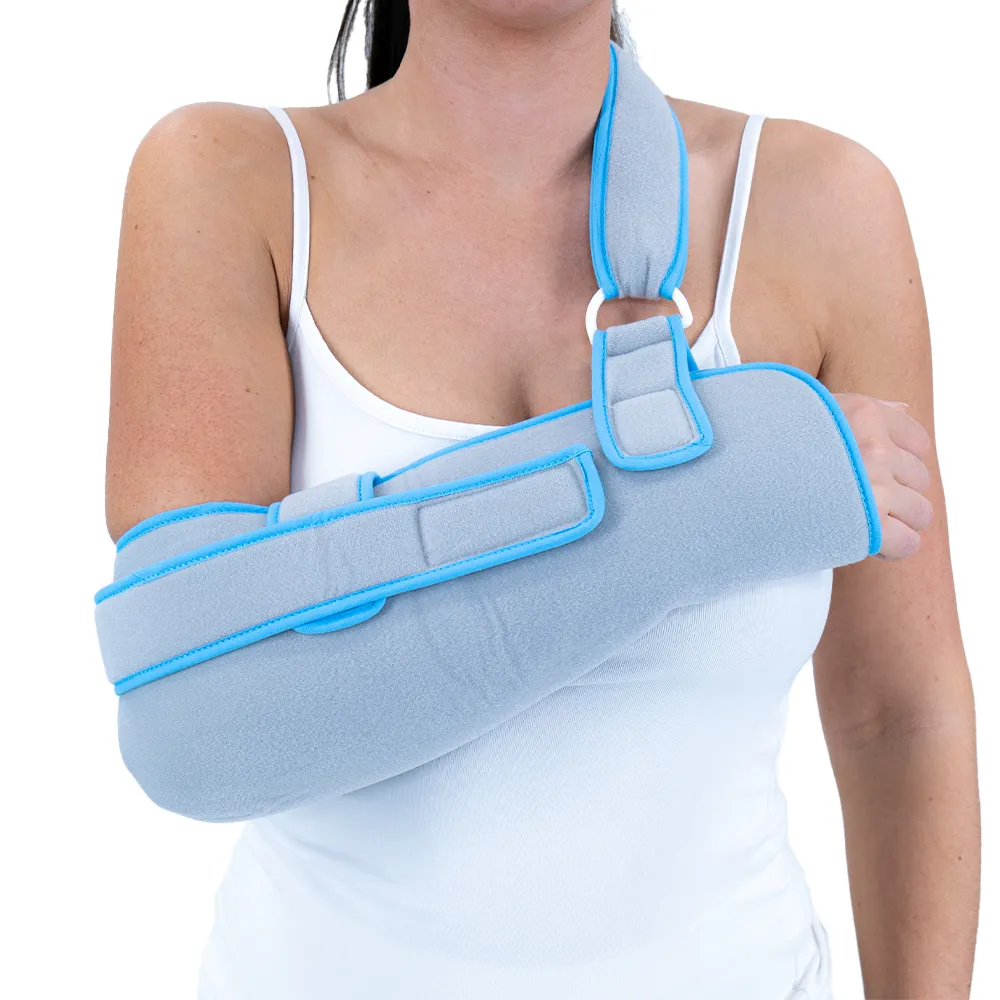
Some slings provide simple support, while others offer greater adjustment or stabilisation. Forearm elevation slings hold the hand and forearm higher to help manage positioning or swelling when clinically appropriate.
The correct sling depends on the injury, required arm position and level of support. Follow professional advice about which sling to use and how long it should be worn.

For detailed sizing, fitting and product guidance, visit the individual product pages.
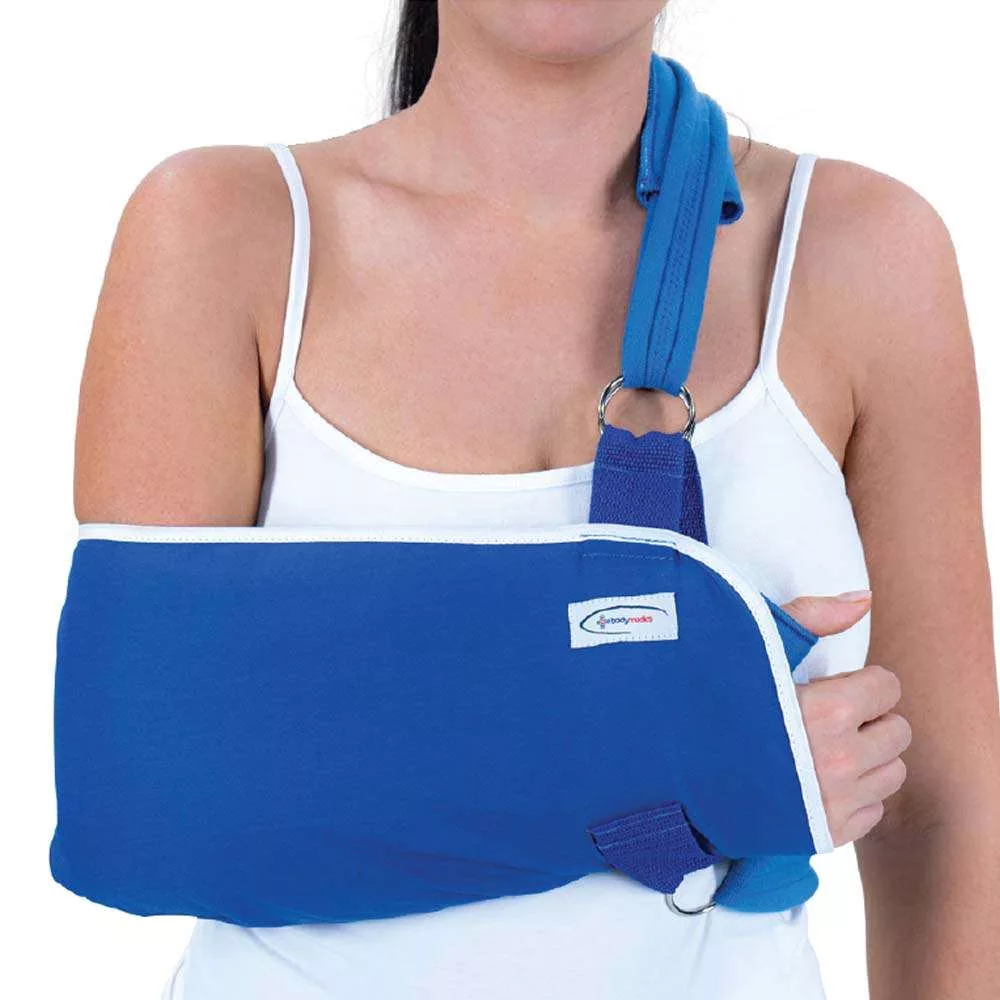
Arm slings support and position the upper limb. They are commonly used following injury or surgery to provide support, restrict movement or maintain the arm in a particular position.
A forearm elevation sling supports the hand and forearm in a raised position. It may be used to help manage swelling or maintain a specific position following injury or surgery.
Different designs provide different levels of support, adjustment and positioning. Some provide simple arm support, while others offer greater stabilisation or forearm elevation.
Current slings in this category are available to buy online. However, professional assessment is recommended following a significant injury or surgical procedure.
Some slings are available in several sizes, while others are universal and adjustable. Follow the measuring guidance on the individual product page.
The sling should support the arm securely without pressing into the neck or causing pain. Unless otherwise directed, the hand and wrist should be supported rather than hanging outside the sling.
This depends on the injury or surgery. Wearing a sling longer than necessary can contribute to stiffness and weakness, so follow the wearing and exercise advice provided by your healthcare professional.
Only remove it as advised. Depending on the injury, it may be removed for washing, dressing or prescribed exercises, but some conditions require more continuous support.
Seek professional advice if:
Not sure which sling is right for you or your patient?