
Home › Pressure Care

Pressure ulcers, also known as pressure sores, bed sores or pressure injuries, are areas of damage to the skin and underlying tissues caused by pressure, or pressure combined with shear. They commonly develop over bony areas such as the heels, sacrum, shoulder blades, and spinous processes.
TalarMade’s pressure care range helps healthcare professionals, carers and care teams prevent and treat pressure ulcers as part of an overall pressure care treatment plan. Products work mechanically to either completely offload pressure from a vulnerable area or redistribute pressure and load across a larger area.
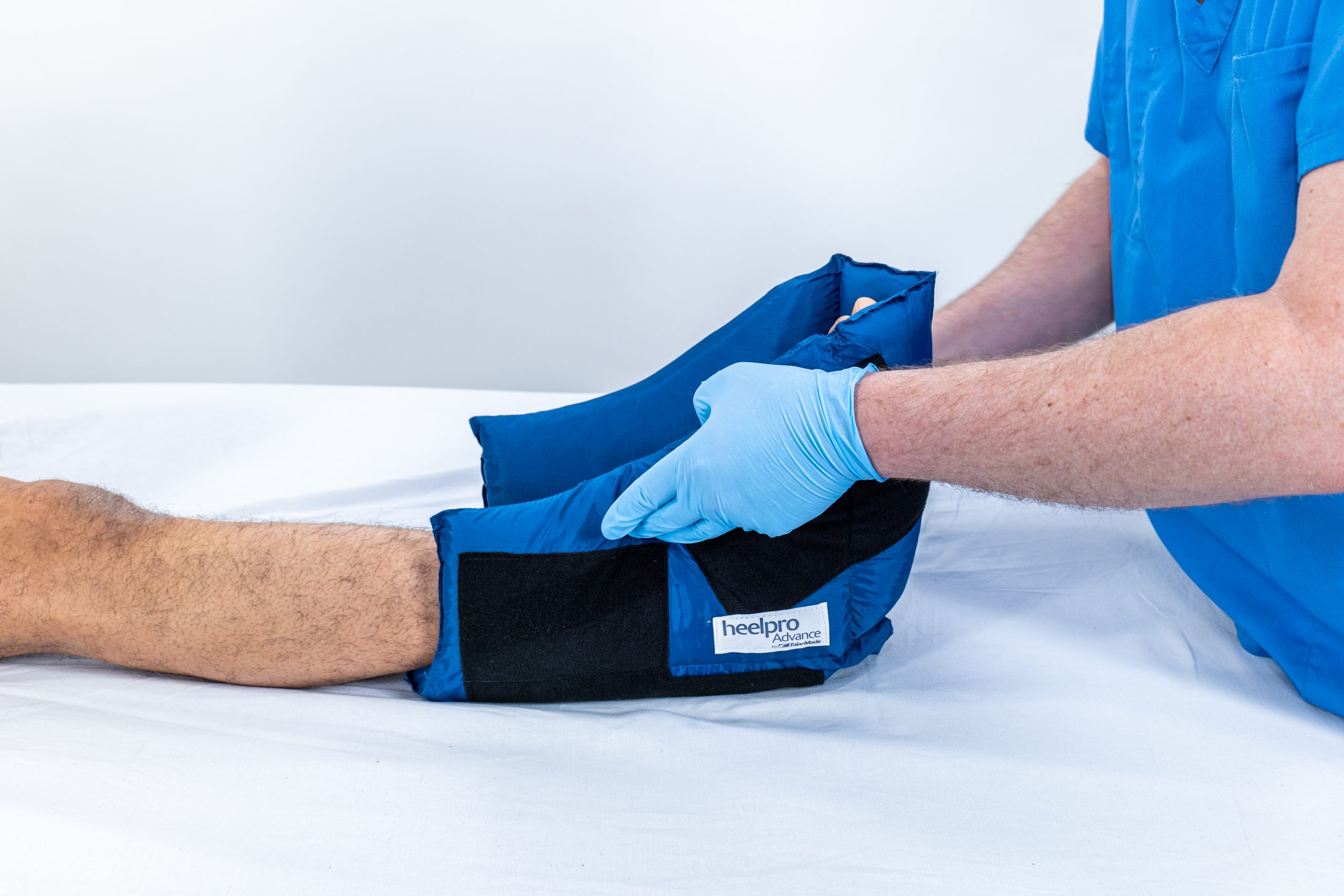
Browse our full range of pressure care solutions. Each category contains specialist products designed to meet specific clinical needs.
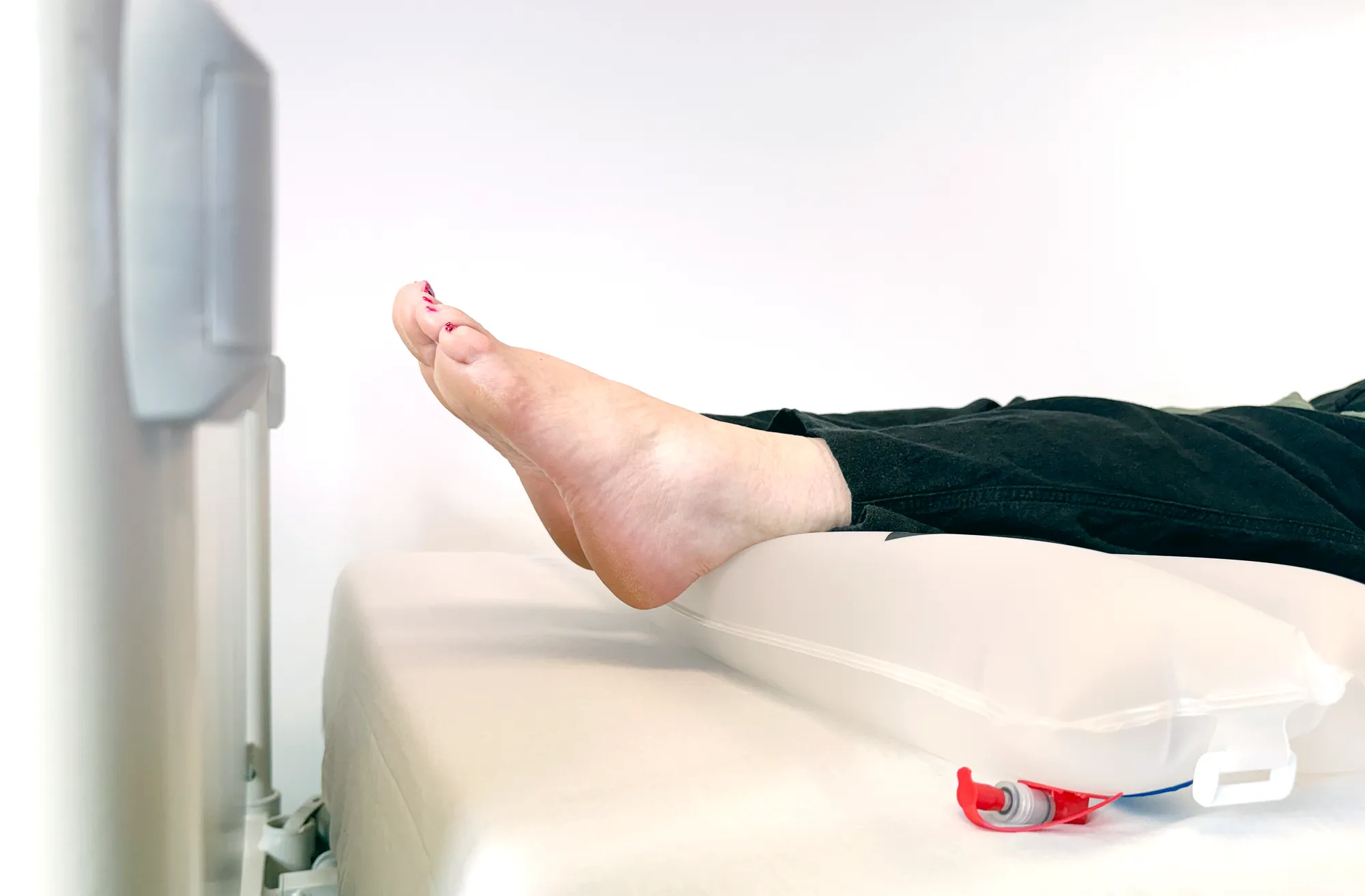
Explore TalarMade offloading devices designed to suspend the heel away from the supporting surface, helping to prevent and treat heel pressure ulcers as part of an individual pressure-care plan.
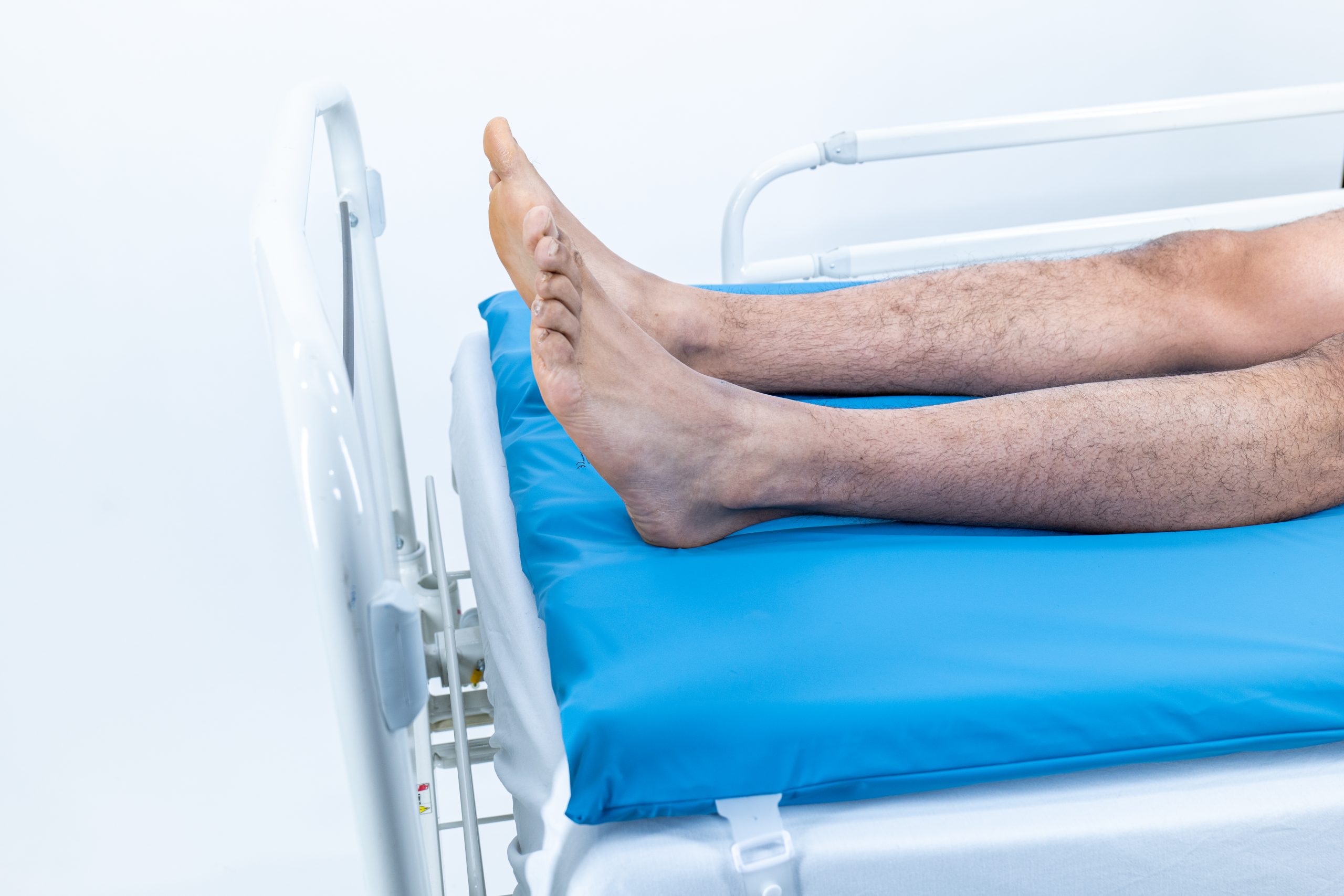
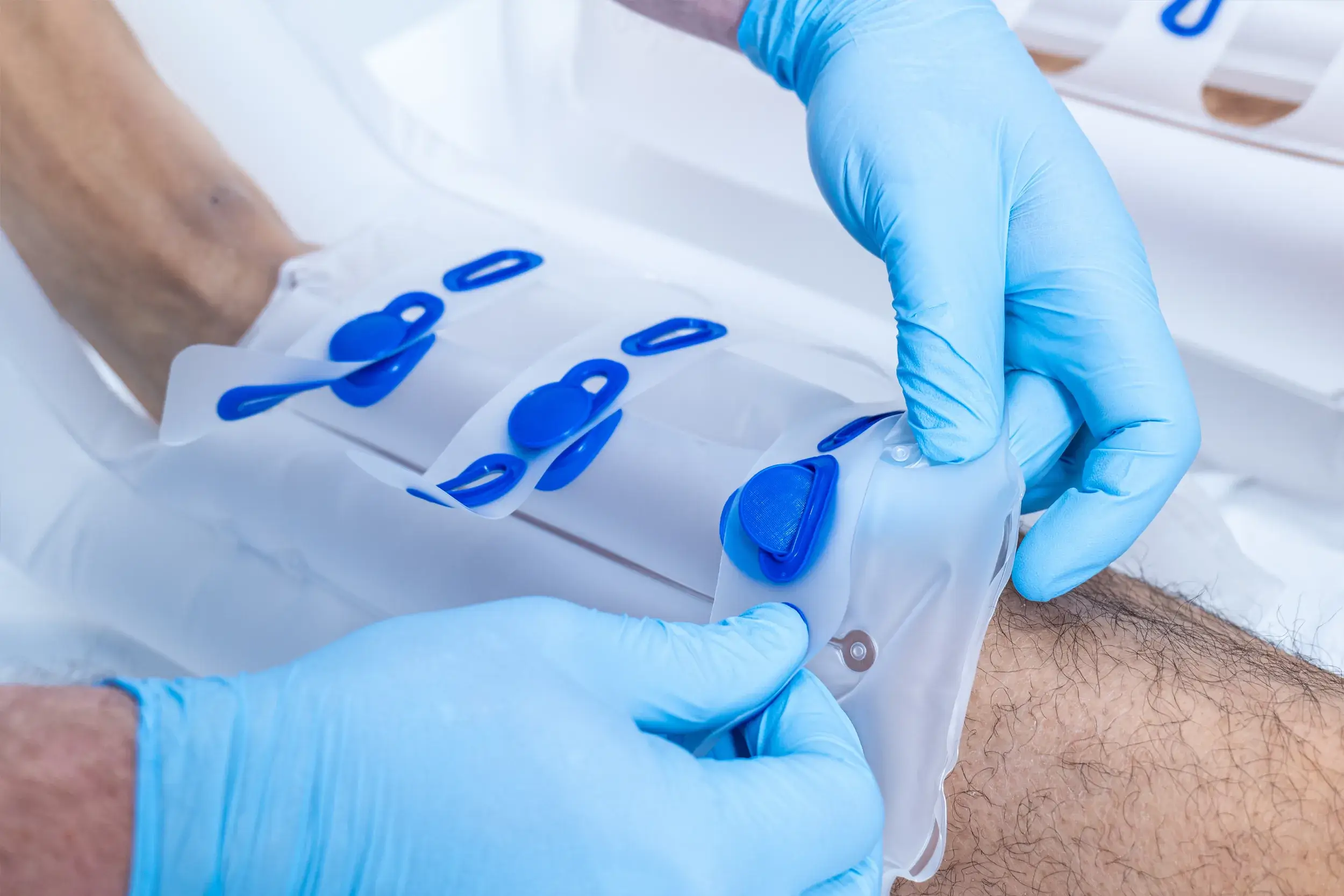
Explore TalarMade pressure-redistribution products designed to reduce concentrated loading on vulnerable tissues and support pressure-ulcer prevention and treatment.
Pressure care products may be used where a person is at increased risk of pressure-related discomfort, skin damage or reduced mobility. The right product will depend on the person’s level of risk, mobility, skin condition, care setting and clinical guidance. If there is an existing wound, skin breakdown, reduced sensation, poor circulation or uncertainty around product suitability, professional advice should be sought. These products should be used as part of a wider pressure care strategy.
Supports people with reduced mobility, serious illness, neurological conditions or reduced sensation who are at increased risk of pressure damage.
Spreads forces and loads across a larger area to reduce concentrated pressure on bony prominences such as the heels, sacrum and hips.
Reduce pressure from at risk sites during periods of immobility in bed.
Completely suspends the heel clear of the bed or mattress, transferring load to the calf and lower leg.
TalarMade develops pressure care products to completely offload vulnerable areas, redistribute pressure and load, protect the heel, support lower limb positioning and help patients during periods of reduced mobility. Different products achieve different mechanical effects, so the right choice depends on the patient’s situation, mobility level and specific clinical need.
When selecting a pressure care product, consider:
Patients with existing pressure ulcers, significant risk factors or complex clinical needs should be assessed by an appropriately qualified healthcare professional.
Which area of the body is at risk?
Is there already a pressure ulcer?
Does the area need complete offloading or pressure redistribution?
How mobile is the individual?
Can they reposition independently?
What other pressure care strategies are already being used?
Is professional assessment or fitting required?
Pressure ulcer prevention and treatment starts with understanding the individual’s risk, mobility, skin condition and overall clinical needs. TalarMade provides pressure care products alongside clinical and technical support to help healthcare professionals select appropriate solutions.
Helpful onward links if you need more context before choosing a product.
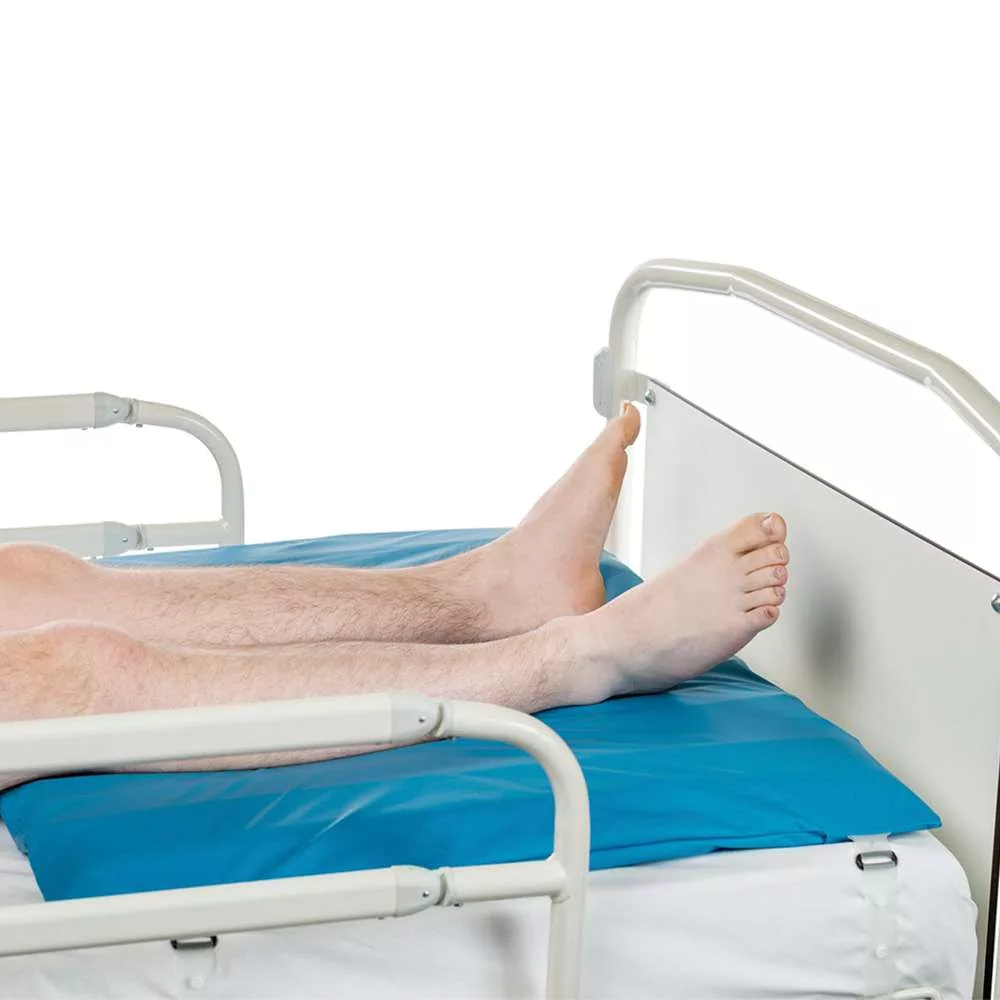
Explore the causes, risk factors and prevention considerations for pressure ulcers, including the role of effective pressure care support.
Understand the difference between pressure offloading and pressure redistribution, and how each approach can help protect vulnerable areas from sustained pressure.
Find answers to common questions about pressure care products and how to choose the right solution.
A pressure ulcer is damage to the skin and/or underlying tissues caused by pressure or pressure combined with shear.
People with reduced mobility, serious illness, neurological conditions, reduced sensation, poor nutrition or difficulty repositioning themselves are at increased risk.
An offloading device completely removes pressure from a specific vulnerable area by suspending it away from the supporting surface.
A pressure redistribution device reduces concentrated pressure by spreading forces and loads across a larger area of the body. It does not necessarily completely remove pressure from the vulnerable area.
Offloading removes pressure from the target area. Pressure redistribution reduces and spreads pressure while maintaining contact. The appropriate approach depends on the location, level of risk and clinical objective.
Pressure care products can help reduce the mechanical factors that contribute to pressure ulcers, but they should be used as part of an overall pressure care plan that may also include repositioning, skin monitoring, appropriate support surfaces, nutrition and management of individual risk factors.
Yes. Appropriate offloading or pressure redistribution may form part of the treatment of an existing pressure ulcer, alongside wound care and management of the individual’s wider clinical needs.
If you have an existing pressure ulcer, reduced sensation, poor circulation, significant mobility problems or complex clinical needs, assessment by an appropriately qualified healthcare professional is recommended.
Our team can help guide you to the most suitable category or product for your patient or setting. Get in touch or browse the range.