
Home › Pressure Care › Pressure Offloading

Products designed to completely remove pressure from vulnerable areas of the body.
Explore TalarMade offloading devices designed to suspend the heel away from the supporting surface, helping to prevent and treat heel pressure ulcers as part of an individual pressure-care plan.
What this category covers
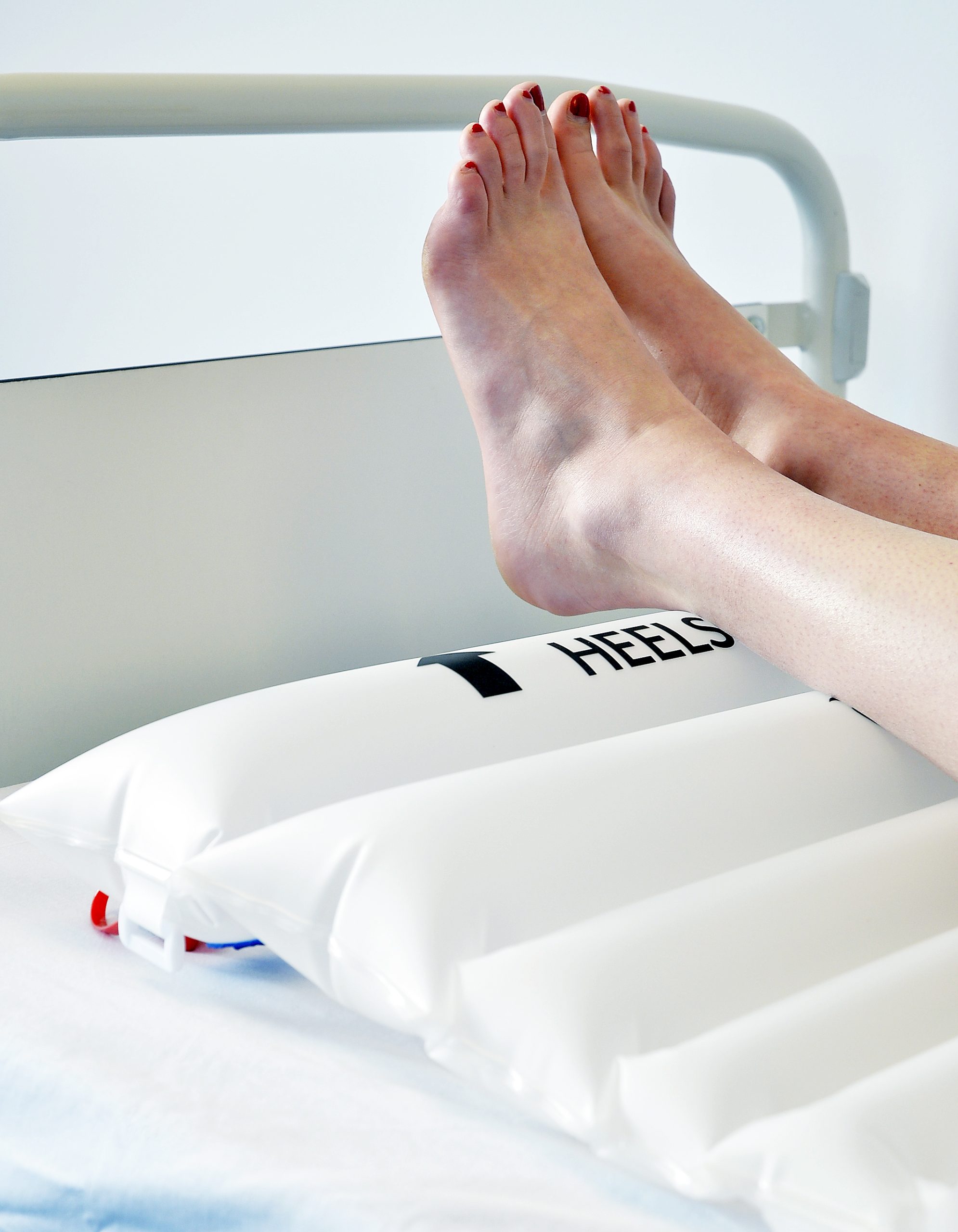
Devices designed to completely offload one or both heels.
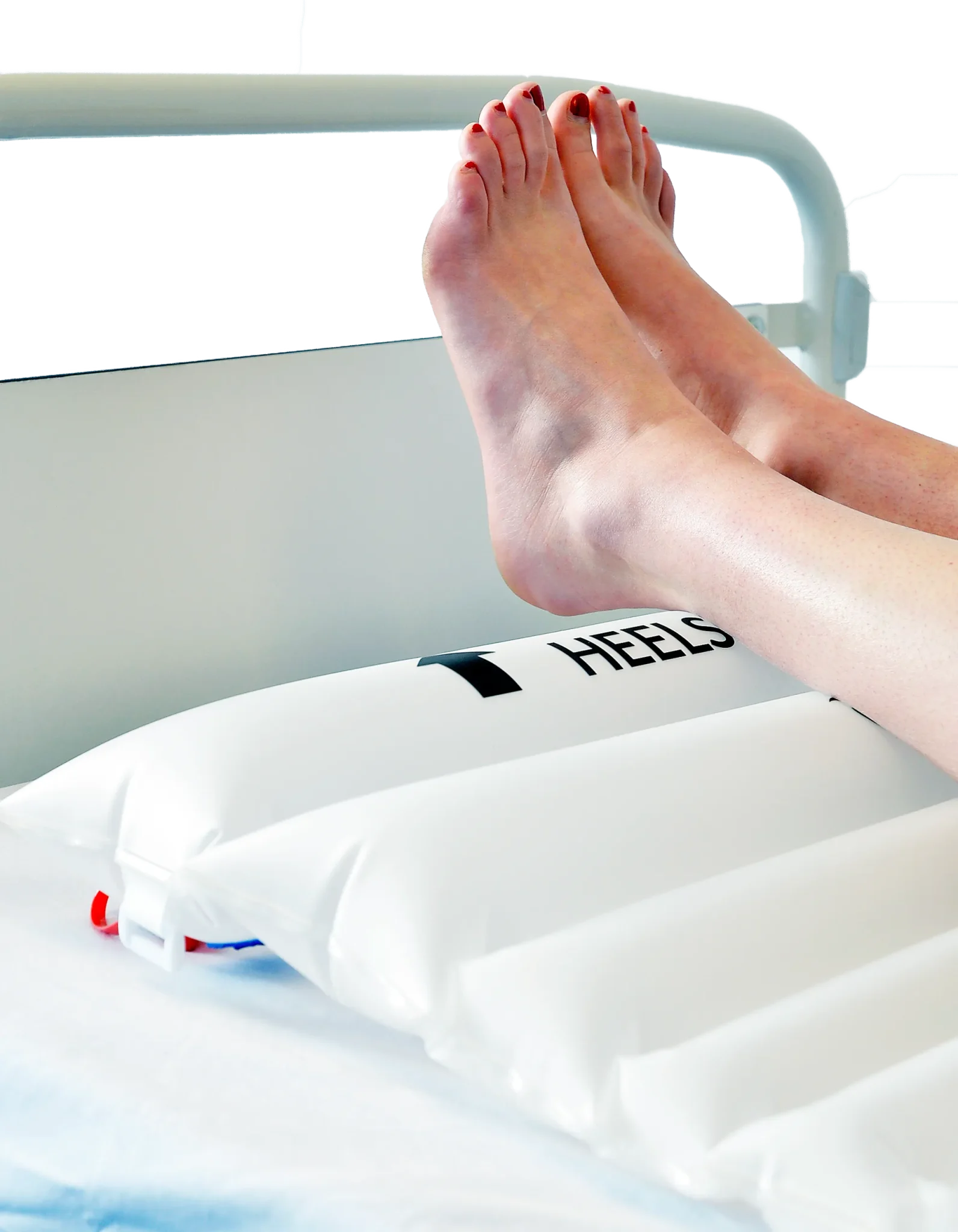
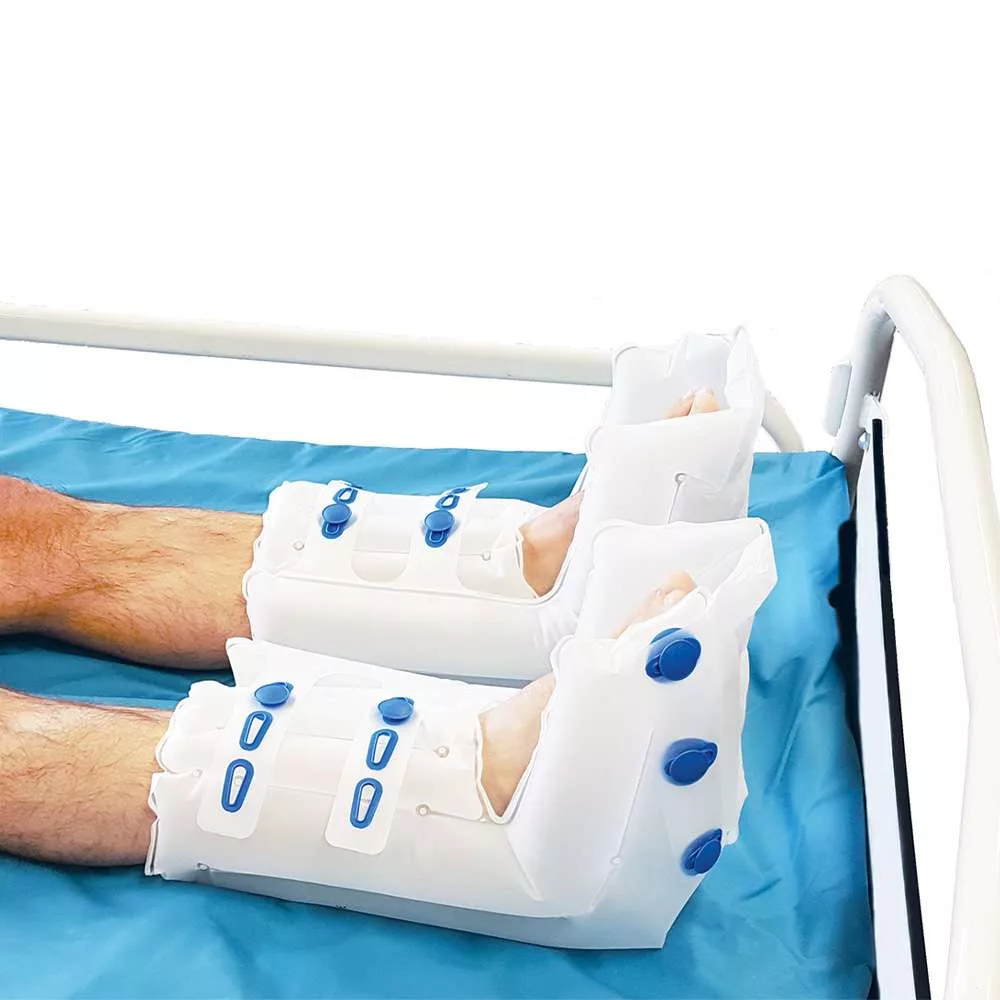
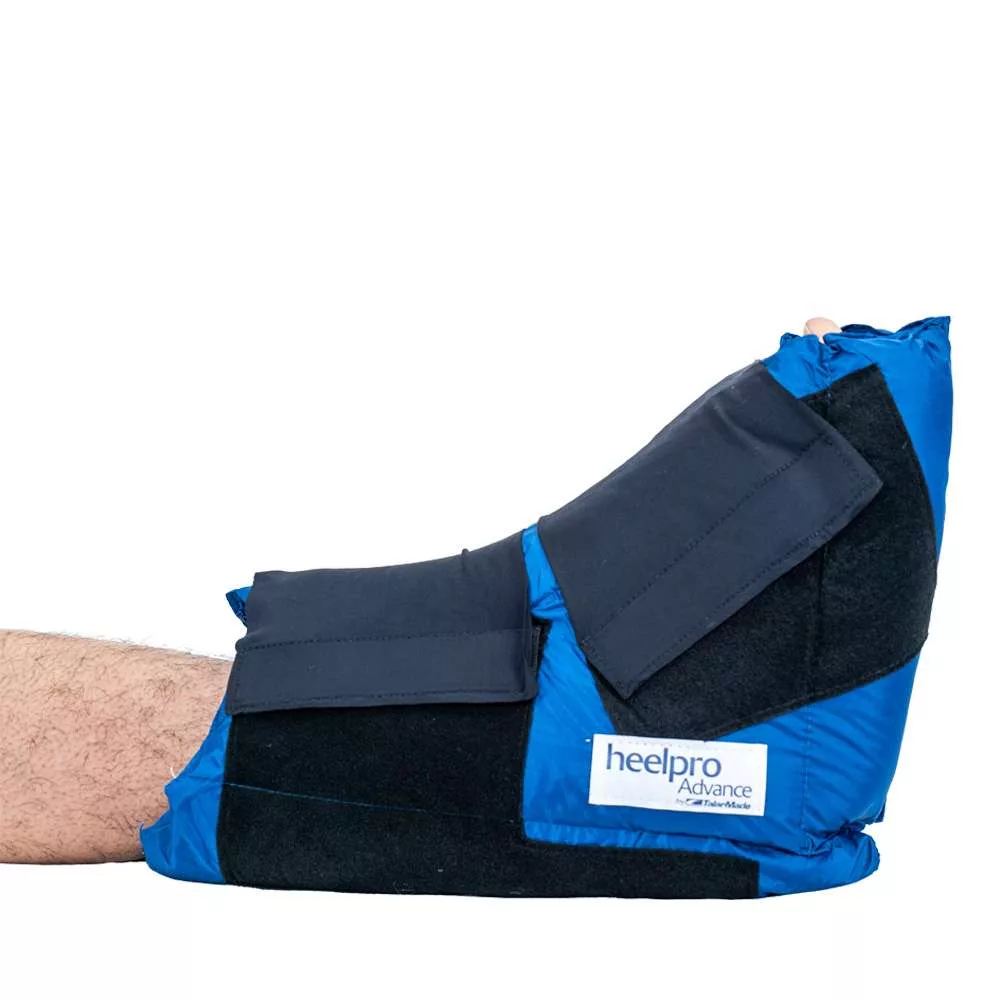
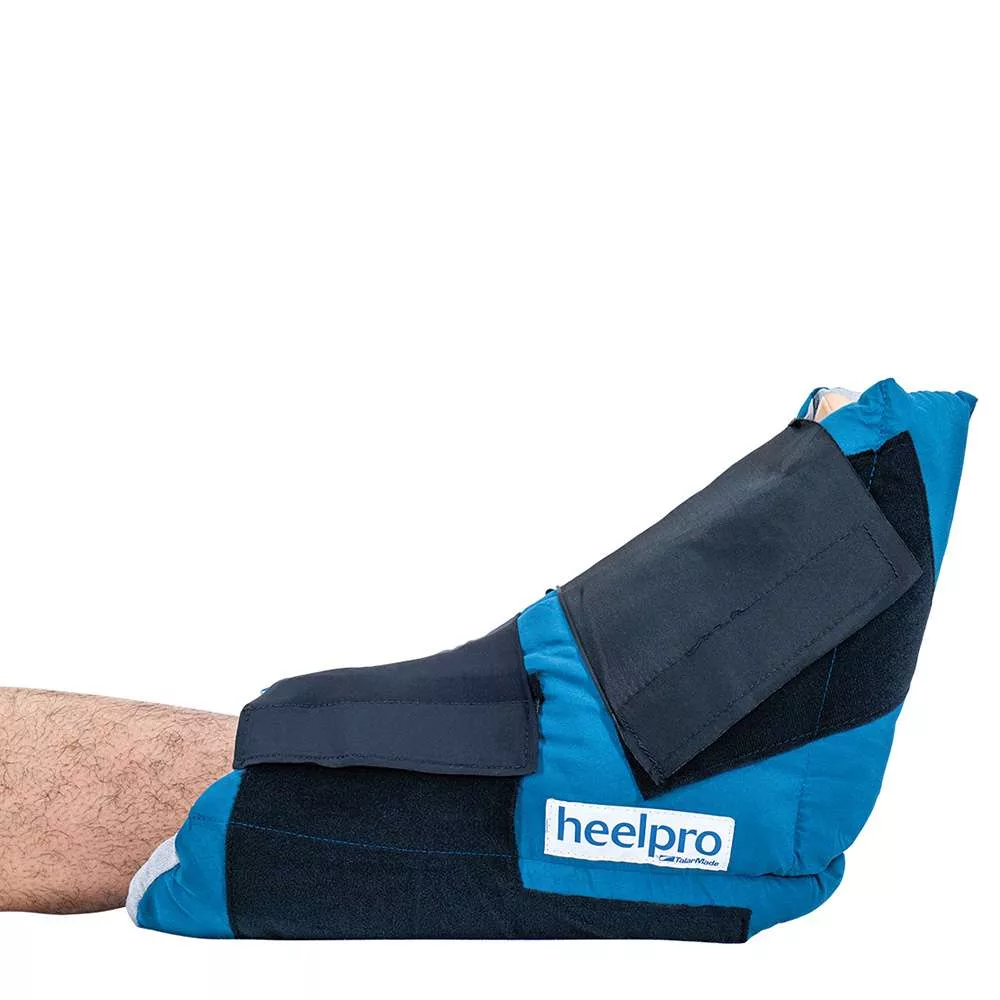
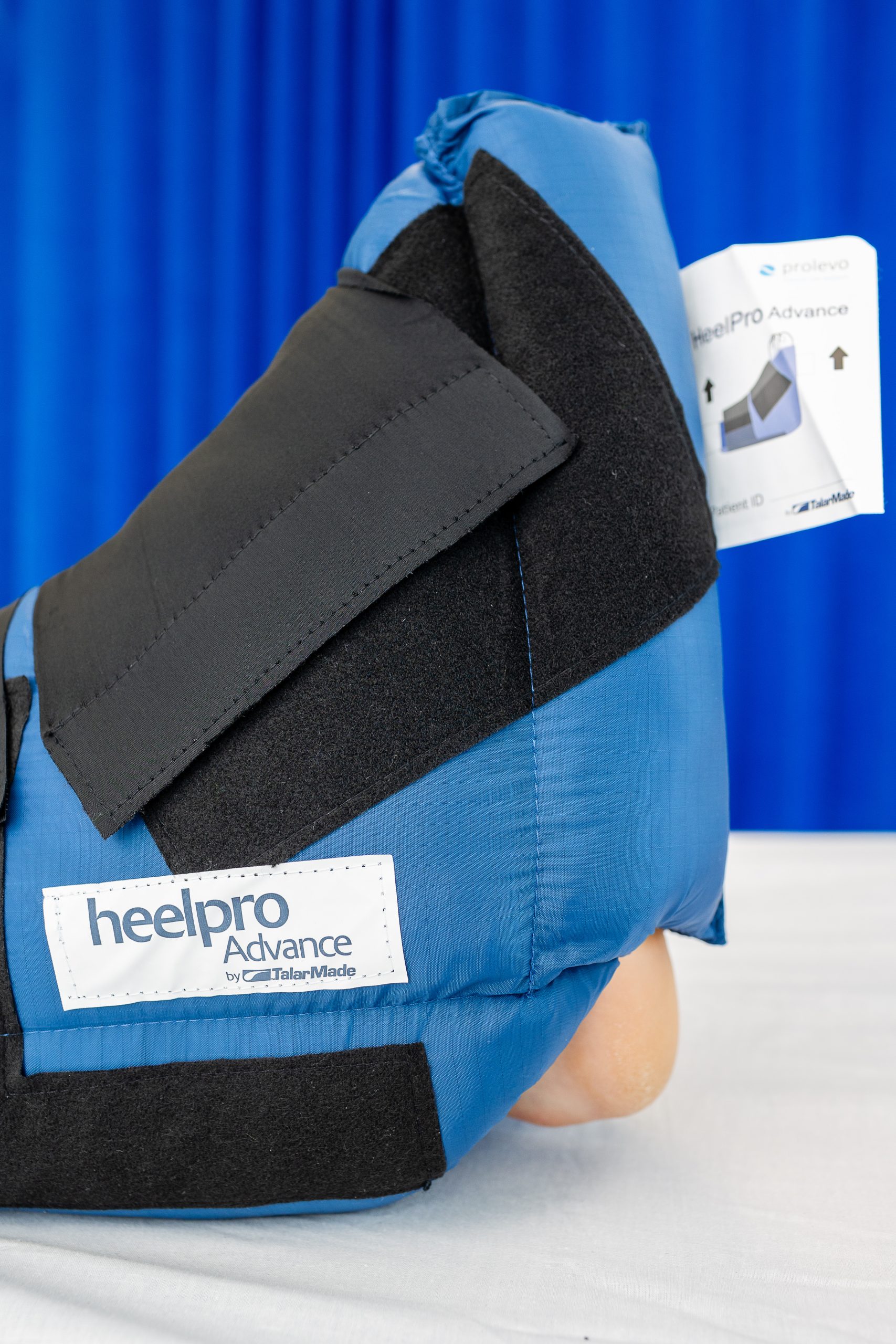
Offloading means completely removing pressure from a specific area by suspending it away from the supporting surface. A heel-offloading device lifts the heel clear of the bed or mattress and transfers the weight of the lower leg to another area, such as the calf.
Heel offloading may help protect vulnerable skin, prevent pressure ulcers and support the treatment of existing heel pressure ulcers. It differs from pressure redistribution, which reduces pressure with the vulnerable area by redistributing the pressure across a larger area.
Offloading devices should be selected according to the individual’s risk, mobility, skin condition and care needs. They must be correctly fitted, regularly checked and used as part of an overall pressure care plan.
For detailed sizing, fitting and product guidance, visit the specific product pages.
A pressure ulcer—also called a pressure sore, bed sore or pressure injury—is damage to the skin and underlying tissues caused by pressure or pressure combined with shear.
The heel has relatively little soft tissue between the skin and bone. People who spend long periods in bed or cannot reposition themselves may develop prolonged pressure over this vulnerable area.
Heel offloading may be considered for people with an existing heel pressure ulcer or a high risk of developing one. Risk factors include:
A healthcare professional should assess the individual’s risk and care needs.
Complete heel offloading means that the heel is fully suspended and does not touch the bed, mattress or another supporting surface.
An offloading device completely removes contact and pressure from the target area. A pressure-redistribution product redistributes pressure over a larger area but does not necessarily lift the vulnerable tissue completely clear of the surface.
Check that the heel is visibly suspended and not touching the bed or mattress. Follow the fitting instructions and regularly recheck the position, particularly after the person has moved or been repositioned.
Correctly selected and fitted offloading devices can help address the mechanical pressure that contributes to heel ulceration. They do not remove every risk and must be used alongside other prevention strategies.
Yes. Complete offloading may form an important part of treatment by removing pressure from the affected heel. The wound must also be assessed and managed by an appropriately qualified healthcare professional.
No. Repositioning, skin inspection and management of the person’s wider risk factors remain important. The device should form part of an individual pressure-care plan.
The heel, calf and all areas in contact with the device should be inspected regularly in accordance with the individual care plan. Seek advice if redness, discolouration, swelling, pain or skin damage develops.
Devices intended to offload the heel in bed are generally not designed for walking. Follow the instructions for the individual product and remove or change the device before standing or walking where directed.
A single patient device is allocated to one person and must not be shared. A multi-patient device may be reused for different patients when cleaned, disinfected and maintained according to the manufacturer’s instructions and local infection-control procedures.
All these products are available to purchase online, however, an existing pressure ulcer or significant risk of pressure damage requires professional assessment.
Seek professional advice if:
Not sure which offloading product is right for your patient?
Review the individual product pages or contact the TalarMade team. Anyone with an existing pressure ulcer or significant risk factors should be assessed by an appropriately qualified healthcare professional.