
Home › Foot Orthoses › Insoles › Gaitway Range
| Size | Shoe Size UK |
|---|---|
| Small | 3 - 5 |
| Medium | 5.5 - 7 |
| Large | 7.5 - 11 |


Featured innovation
Gaitway insoles sit inside your footwear to provide support and alter how forces are distributed beneath your feet.
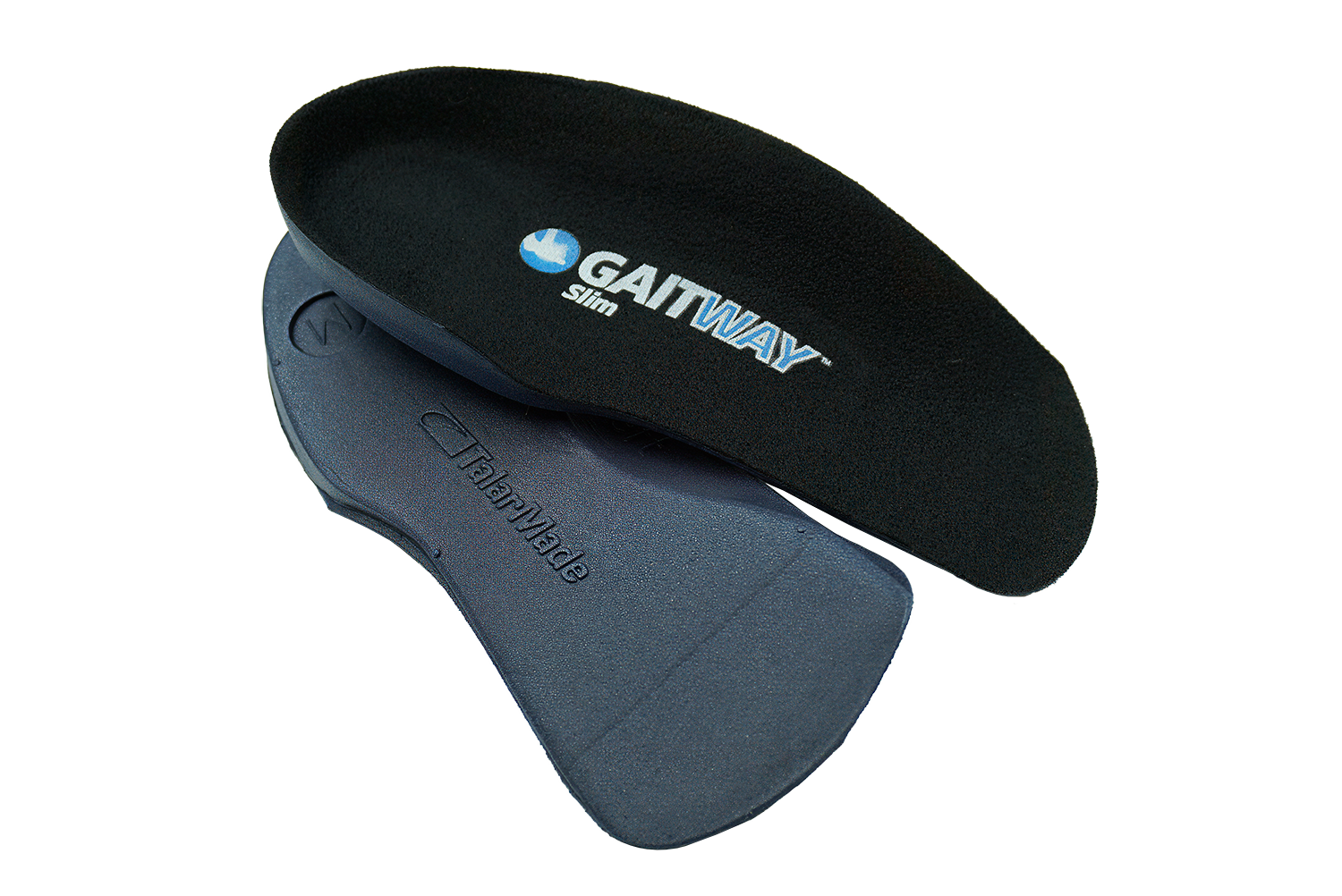
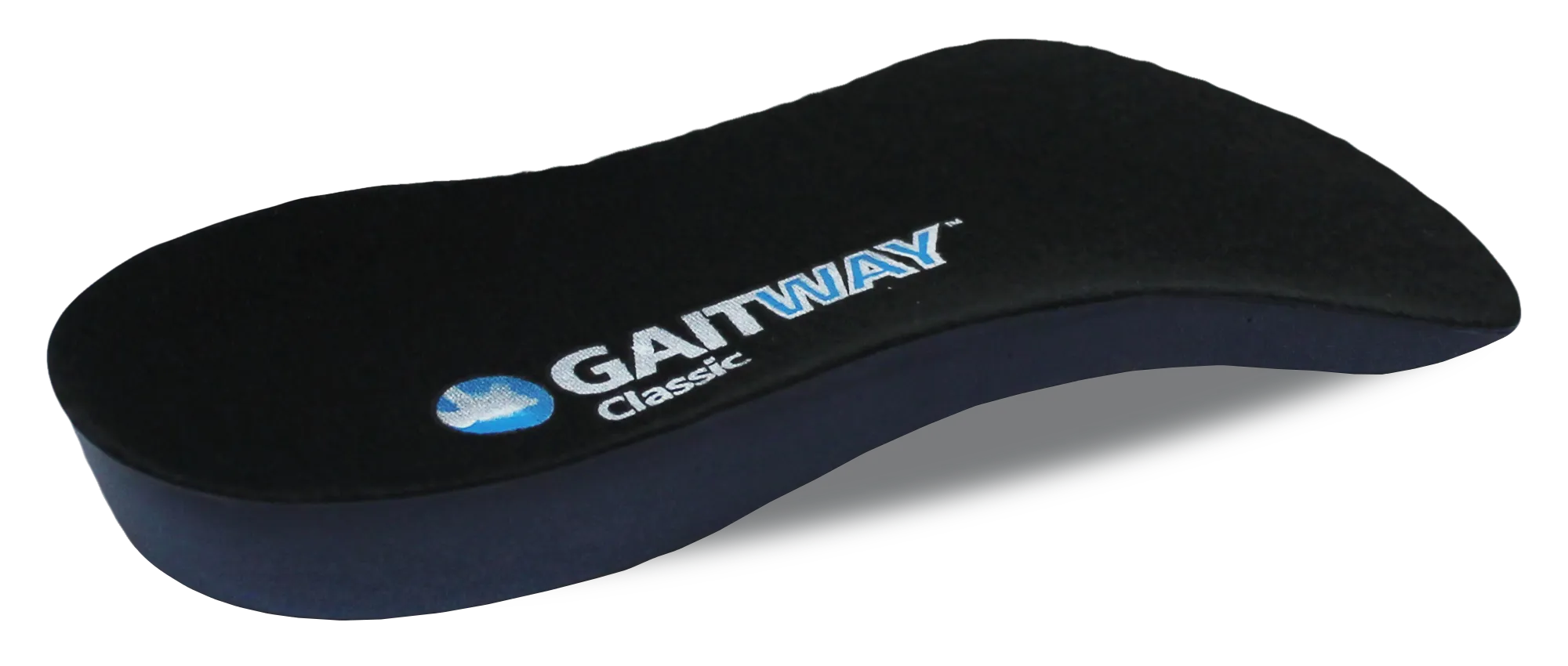
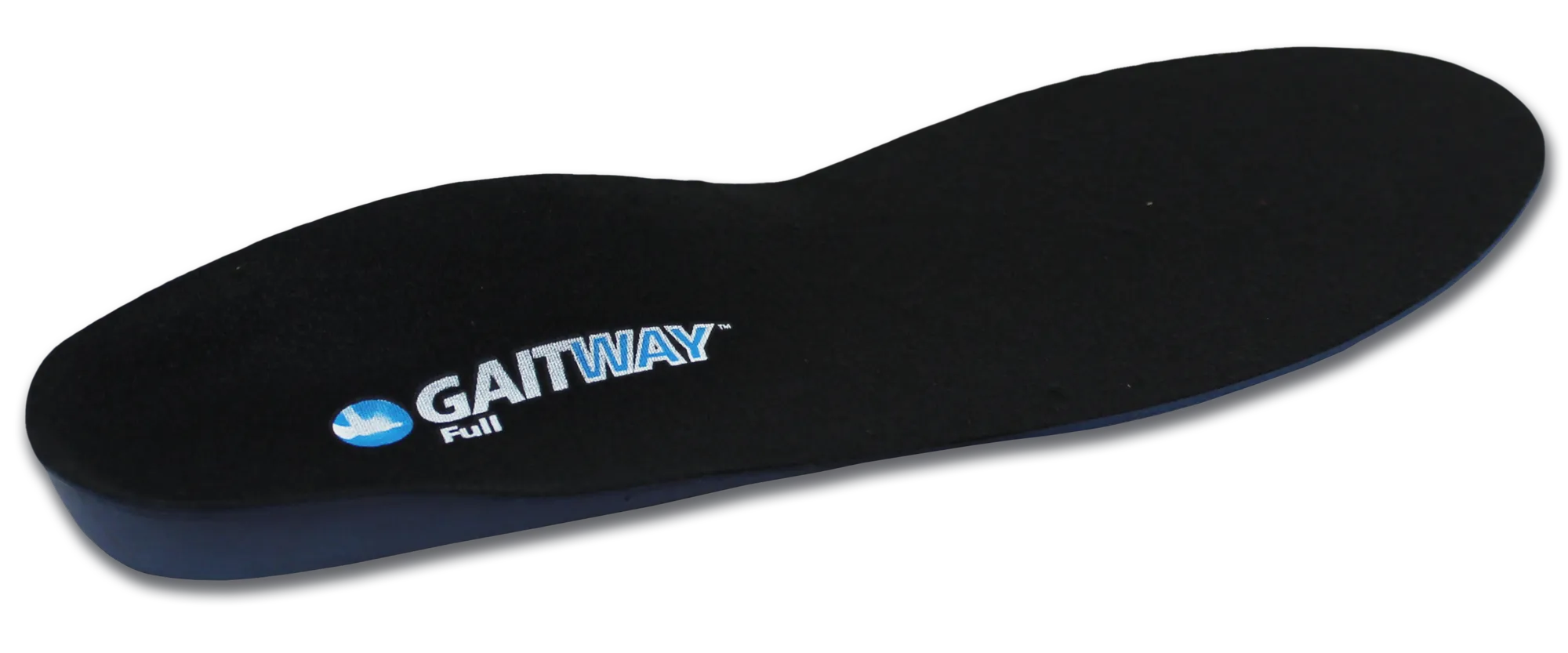
The three models provide the same core mechanical support but have different shapes to suit different types of footwear.
Sizing, fitting and usage guidance
Choose the Gaitway model that best suits your footwear, then select the correct size and heel wedge.
The insole should sit flat and securely inside suitable footwear without causing excessive pressure or rubbing.
| Size | Shoe Size UK |
|---|---|
| Small | 3 - 5 |
| Medium | 5.5 - 7 |
| Large | 7.5 - 11 |
The IFU states that wedges or zero-degree posts should be fitted before the device is issued and that patients should not alter them unless instructed.
Trust and reassurance
Downloads, videos and product resources
Use the resources below to find sizing, fitting and usage information.
Patient FAQs
Gaitway insoles provide foot support and alter how forces are distributed beneath the foot. They can be used for a range of musculoskeletal foot problems.
The main difference is their shape and footwear fit.
Classic is ¾ length for general footwear.
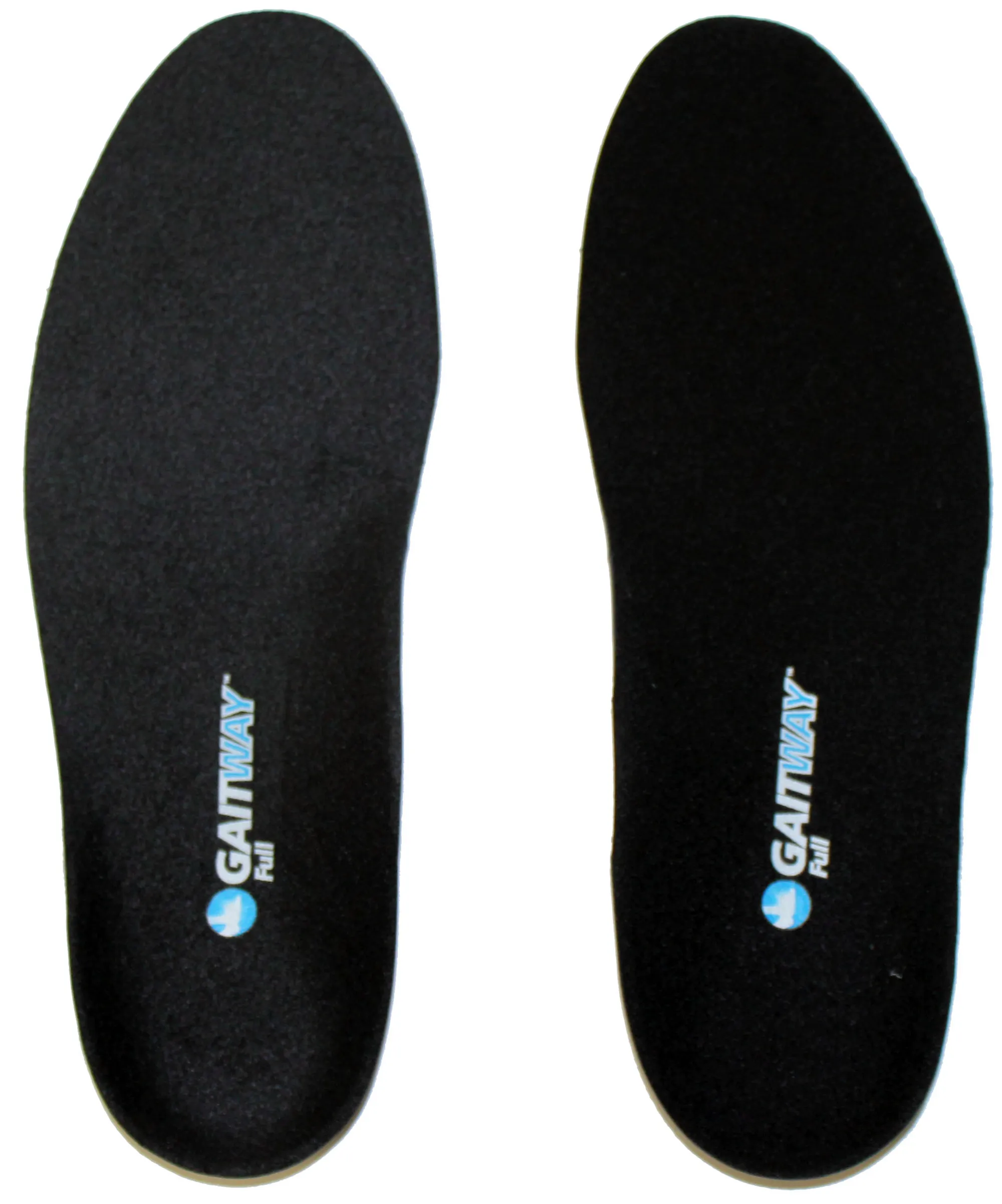
Full extends beneath the whole foot and is particularly suited to trainers and shoes with removable insoles.
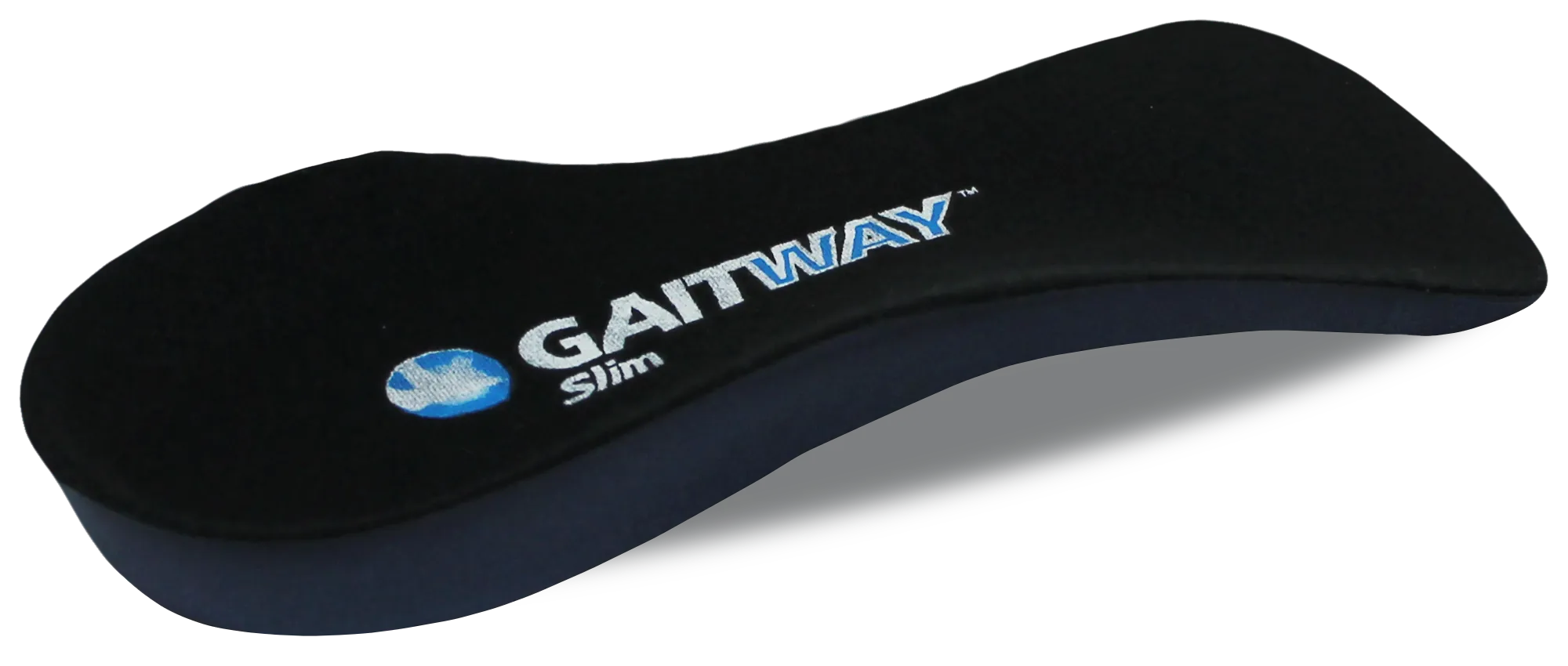
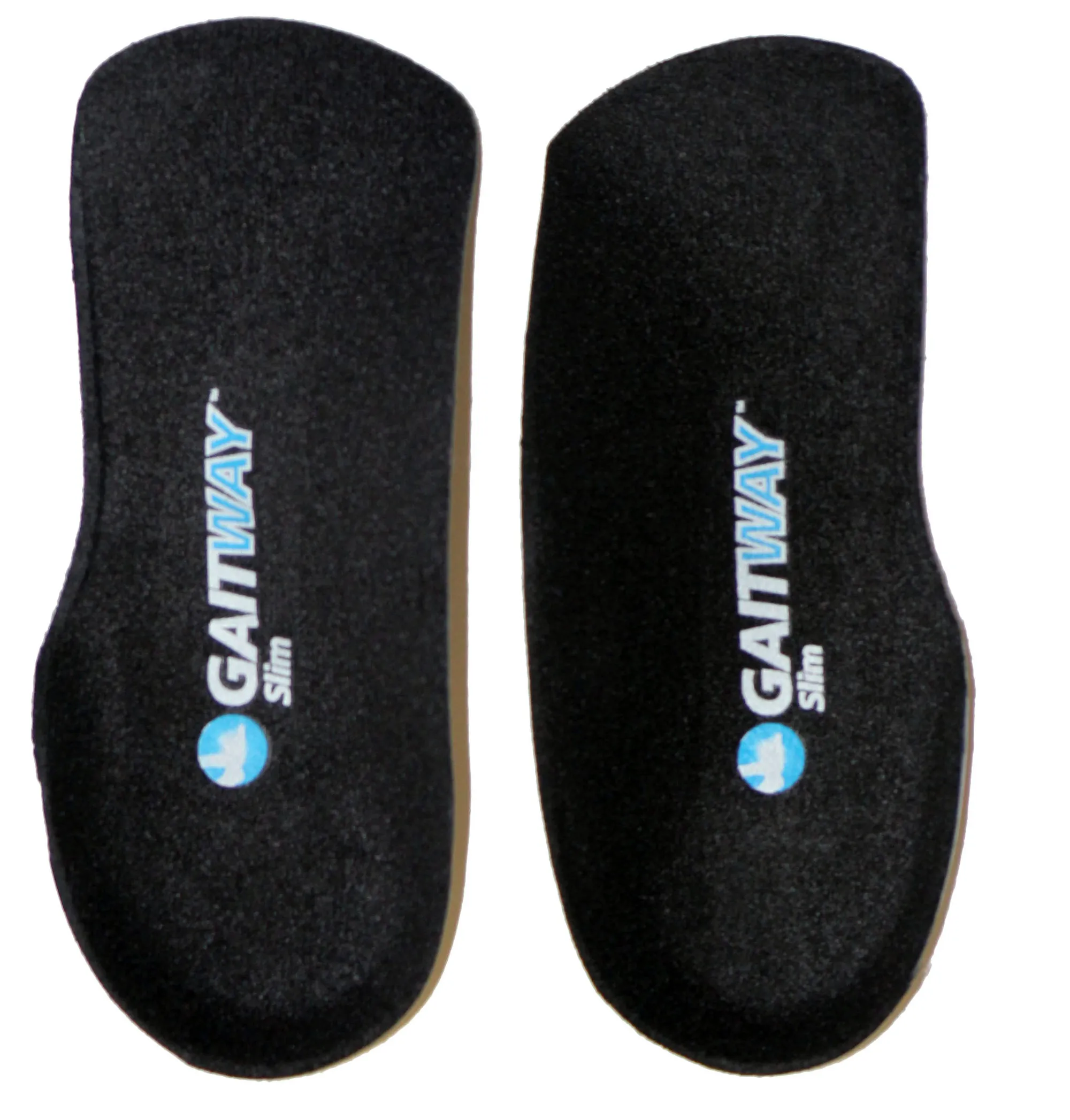
Slim has a lower-profile ¾-length design for dress or fashion footwear.
They share the same A50 Shore construction and wedge options. Selection is mainly based on footwear, shape and the mechanical effect required.
They share the same A50 Shore construction and wedge options. Selection is mainly based on footwear, shape and the mechanical effect required.
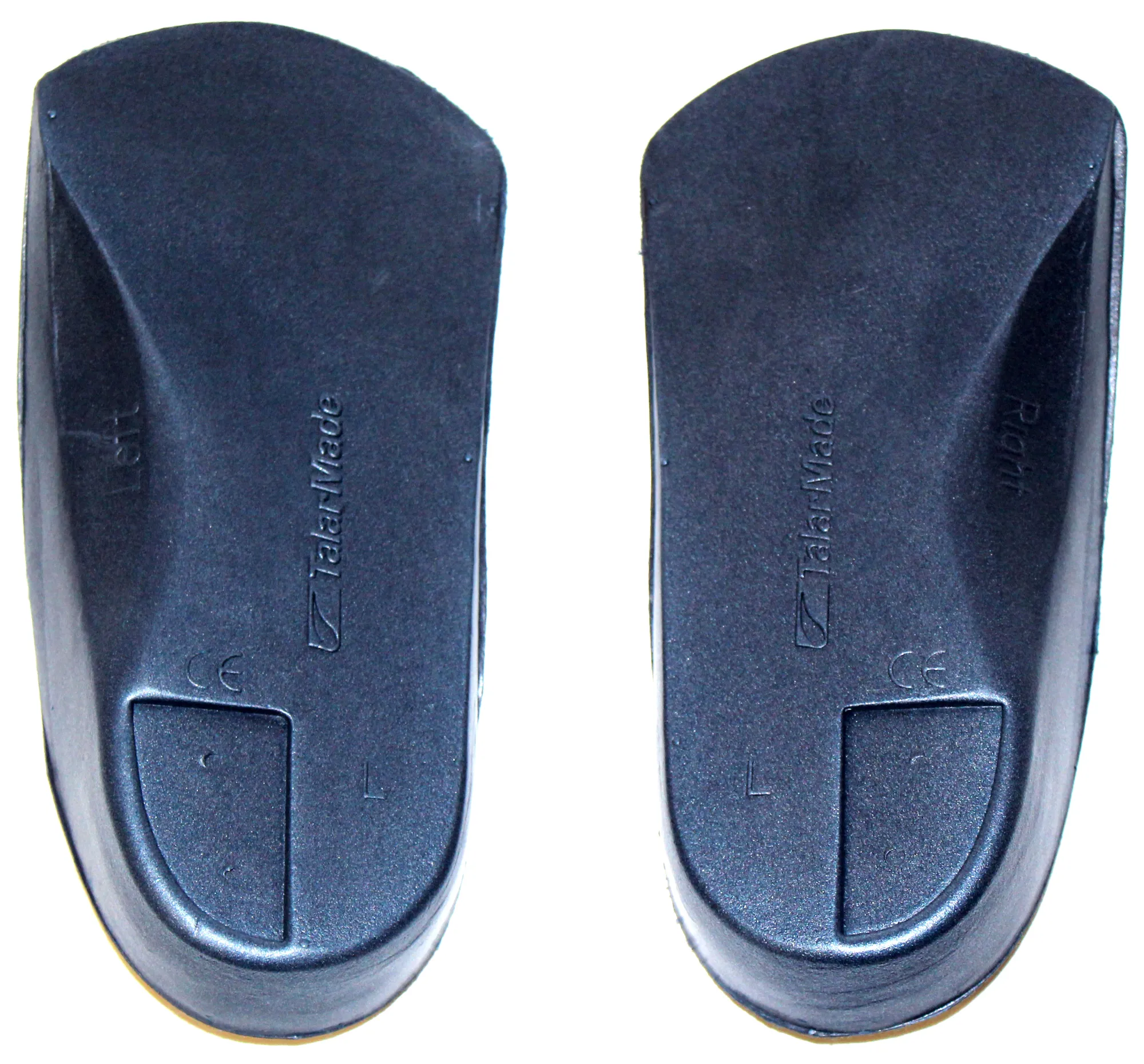
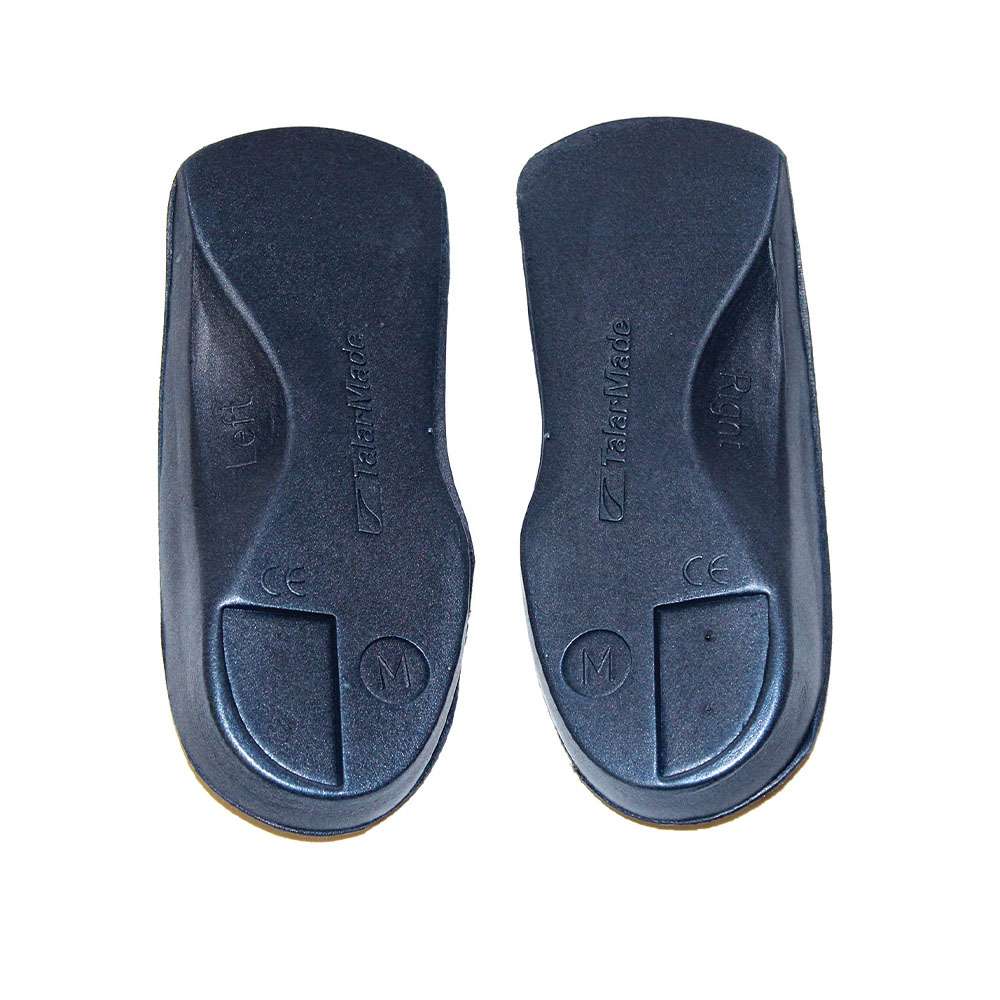
The 0°, 3° and 5° medial heel wedge options allow a healthcare professional to modify how forces are applied through the orthosis.
No. Do not change or add wedges unless instructed by a healthcare professional.
MicroGrip additions can be fitted to the top surface by a healthcare professional to further modify the mechanical effect of the orthosis.
Choose footwear that comfortably accommodates both your foot and the selected Gaitway model. The different Gaitway designs allow greater choice across different footwear styles.
No. Gaitway should not be used where a plantar wound or ulcer is present.
Stop using the insoles and seek advice if you develop pain, persistent redness, blistering, skin damage or instability, or if the insoles become damaged or misshapen.
For healthcare professionals
The Gaitway Range comprises three prefabricated EVA foot orthoses designed to alter plantar force distribution in the management of musculoskeletal foot and lower-limb presentations.
All models use A50 Shore EVA and share 0°, 3° and 5° extrinsic medial heel wedge options. Selection between Classic, Full and Slim is primarily based on footwear accommodation, device length and the required mechanical effect.
Gaitway should be selected according to the patient’s presentation and the required mechanical dose.
The clinician should select the most appropriate model, size and heel wedge to achieve the intended mechanical effect while ensuring appropriate footwear accommodation.
Gaitway is supplied with extrinsic medial heel wedges allowing clinicians to modify how forces are applied through the orthosis.
A wedge or zero-degree post should be fitted before issue.
MicroGrip surface additions can also be applied by a healthcare professional where clinically indicated.
Patients should not alter wedges or surface additions unless instructed by a healthcare professional.
Professional Trust, Evidence and Reassurance
The Gaitway Range provides clinicians with one orthotic concept in three footwear-compatible designs.
This allows footwear accommodation to be changed without moving to a completely different orthotic platform.
Professional downloads, videos and product resources
Access product resources to support selection, fitting, patient guidance and ordering.
Patient FAQs
Reviews
There are no reviews yet.